Ebola in the Democratic Republic of the Congo: Red Cross volunteers at the heart of the response in Bunia
Ebola is affecting several health zones in Ituri Province, in the north-east of the Democratic Republic of the Congo, after an outbreak was declared on 15 May 2026. This new crisis has hit a health system already suffering the effects of staff shortages, supply problems and the continuing lack of security. The Red Cross Society of the Democratic Republic of the Congo (Croix-Rouge de la République démocratique du Congo, CRRDC), with the support of the International Federation of Red Cross and Red Crescent Societies (IFRC) and the International Committee of the Red Cross (ICRC), is contributing to the response, working alongside the Congolese health authorities.
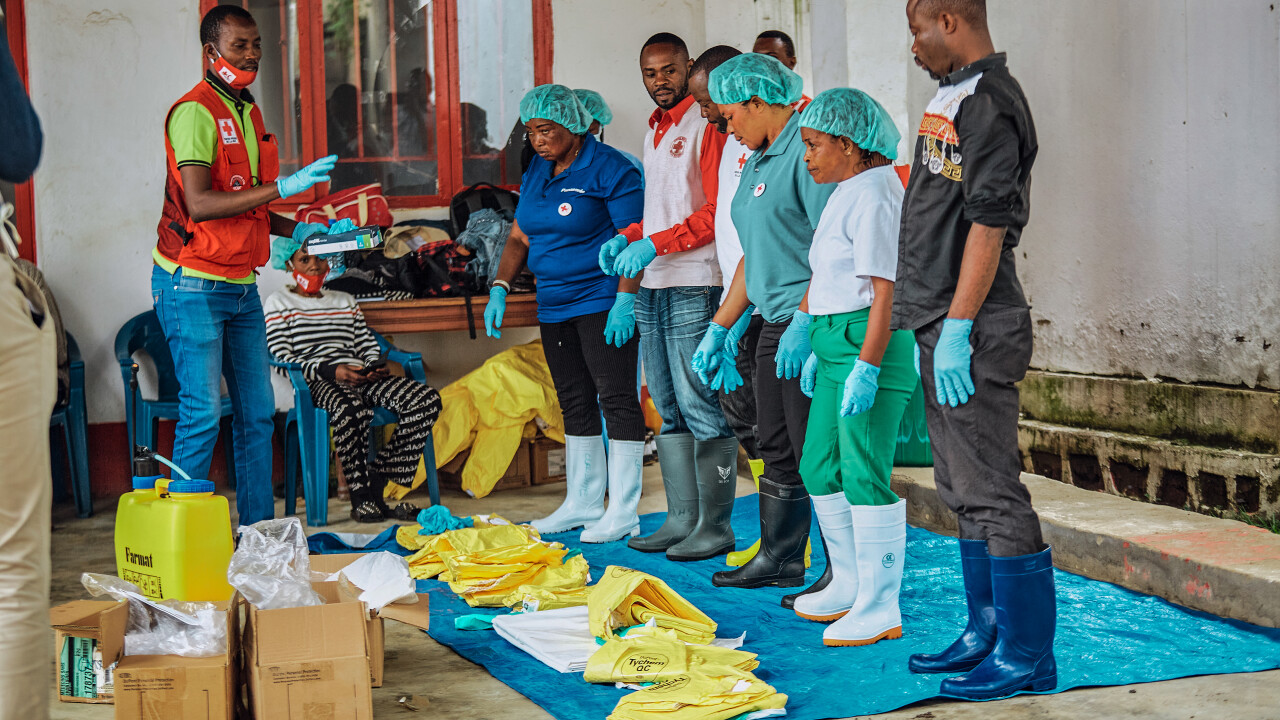
The CRRDC is training and deploying volunteers to carry out safe and dignified burials and to engage with the communities. In Bunia, one of seven health zones affected by the Ebola epidemic, teams of volunteers are carrying out burials and running awareness-raising sessions.
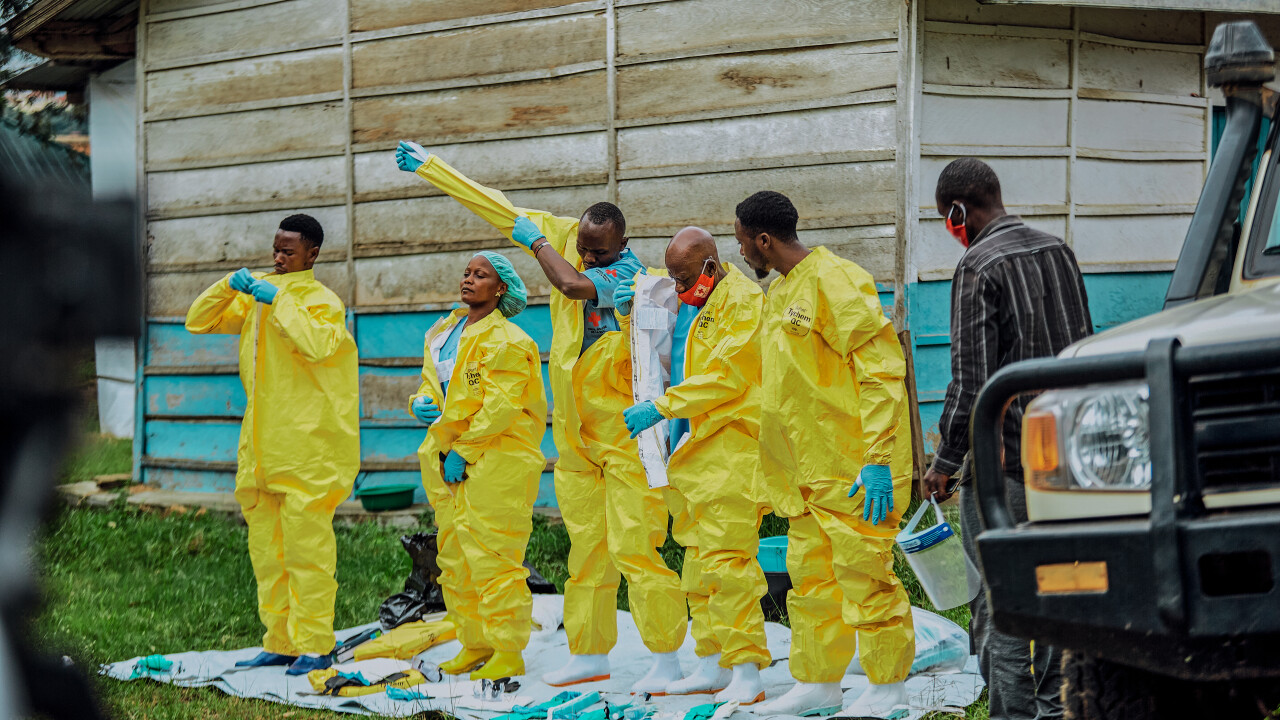
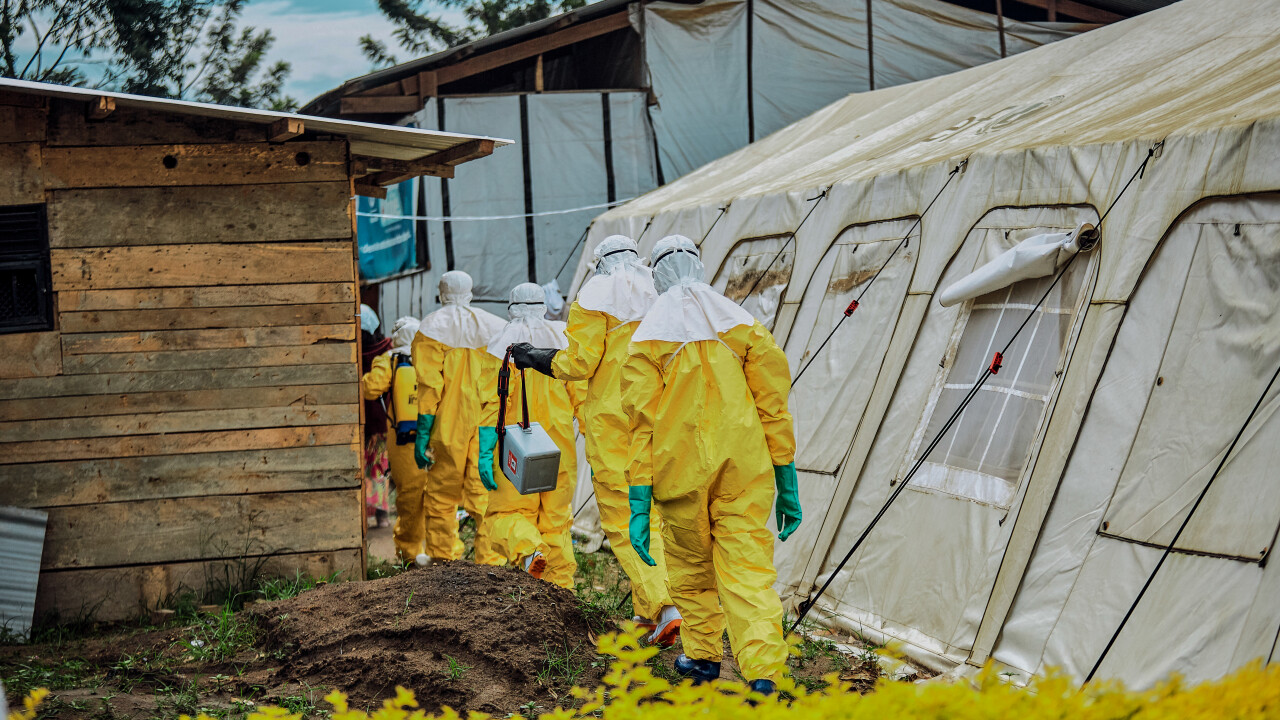
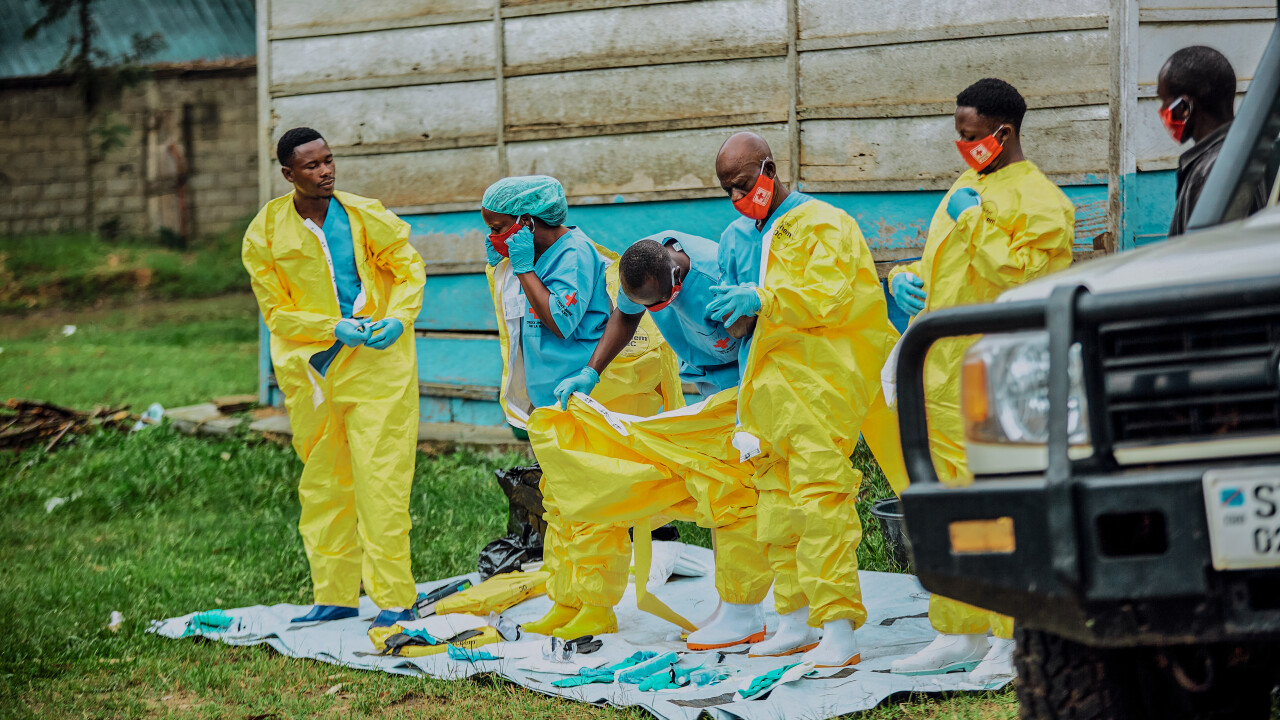
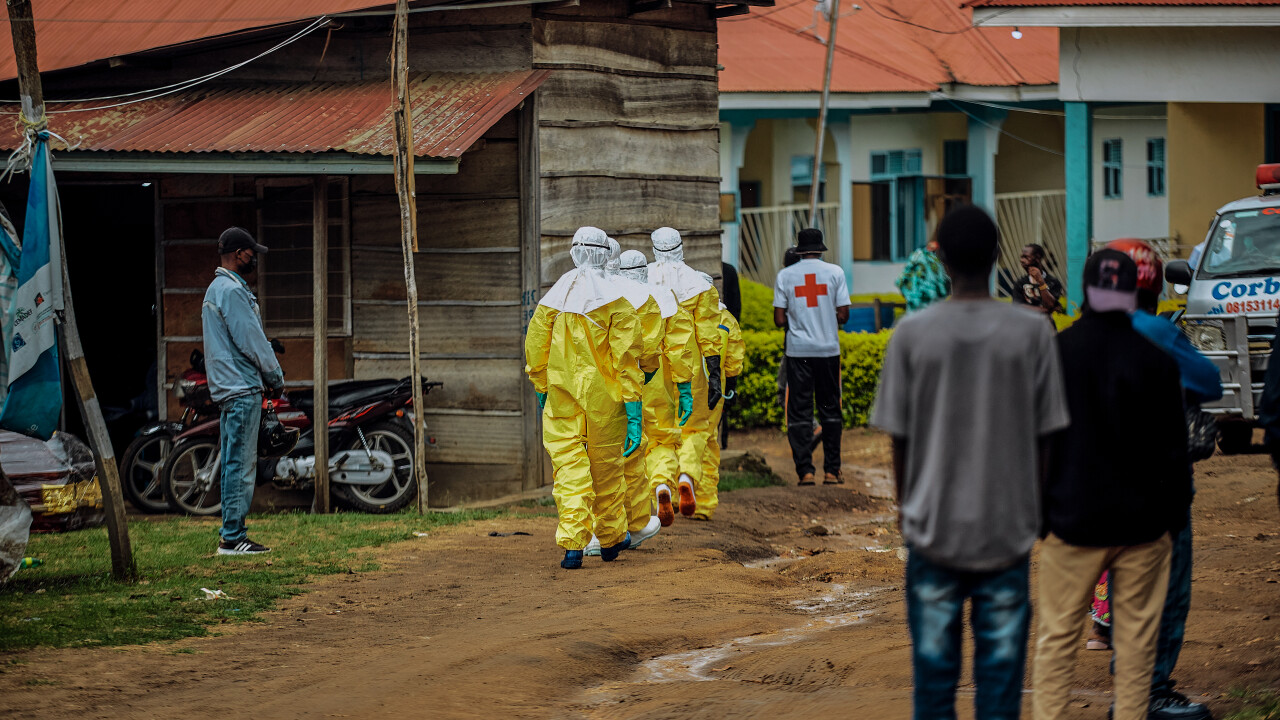
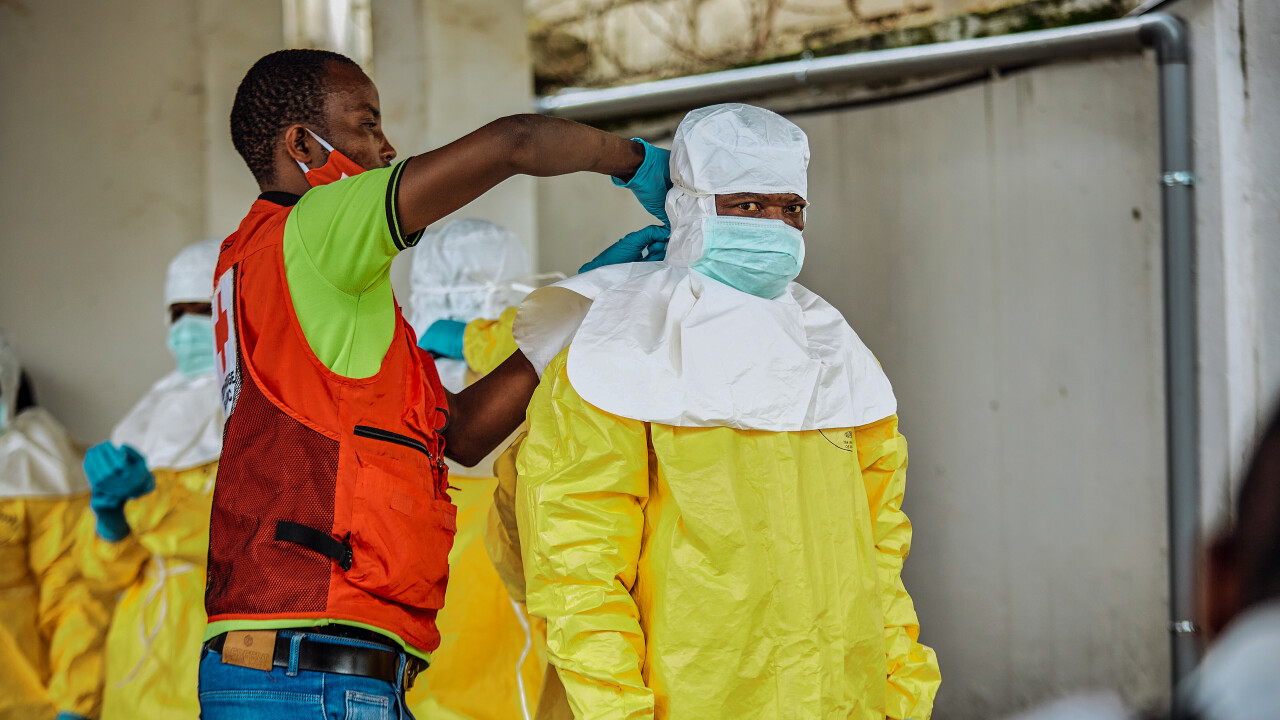
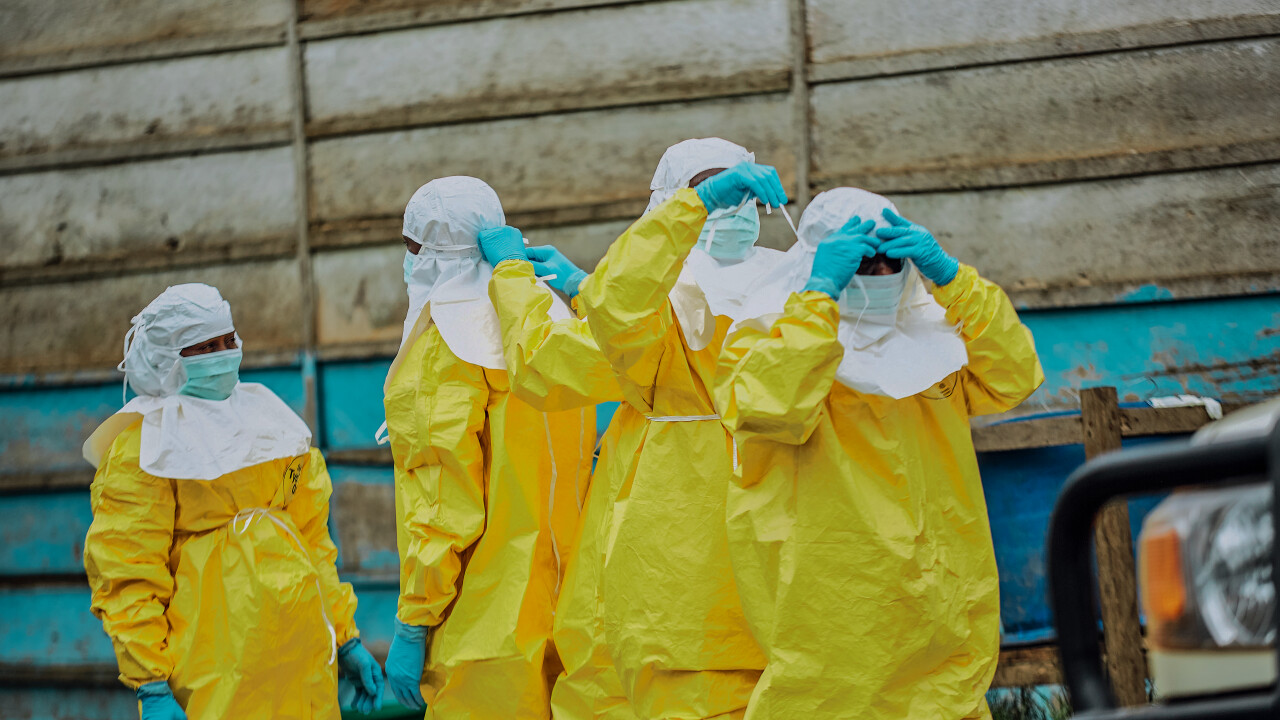
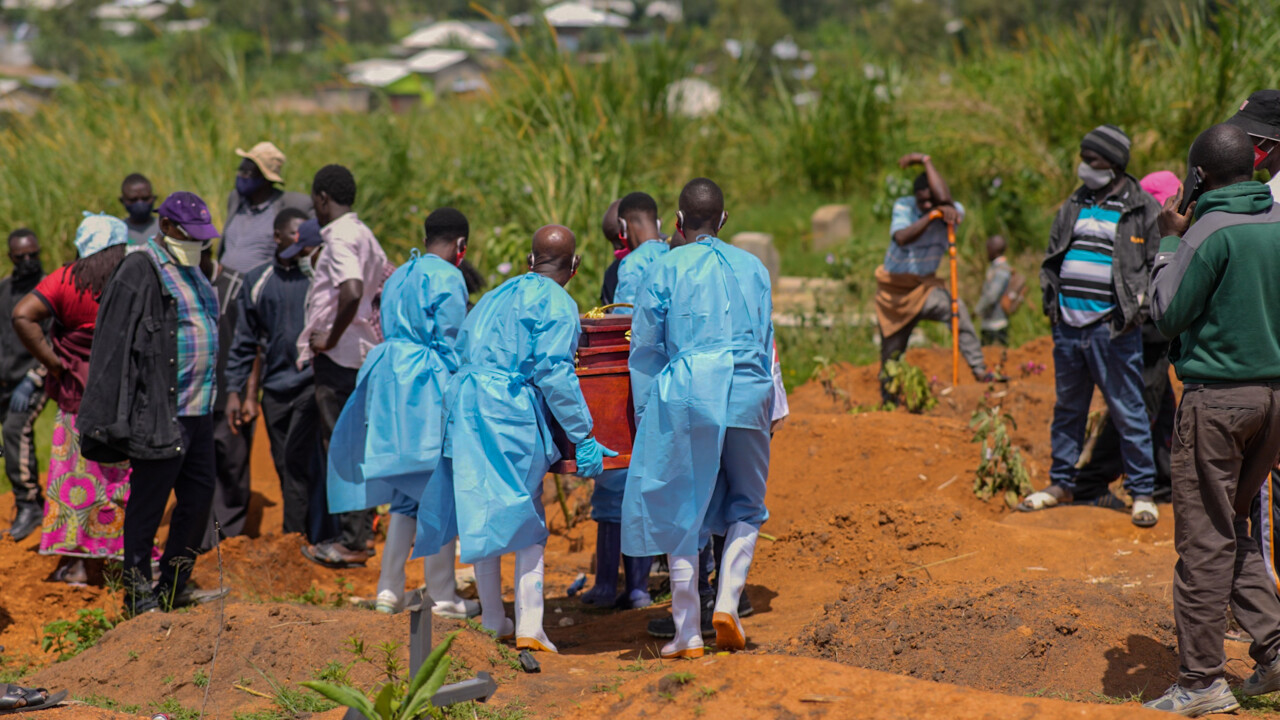
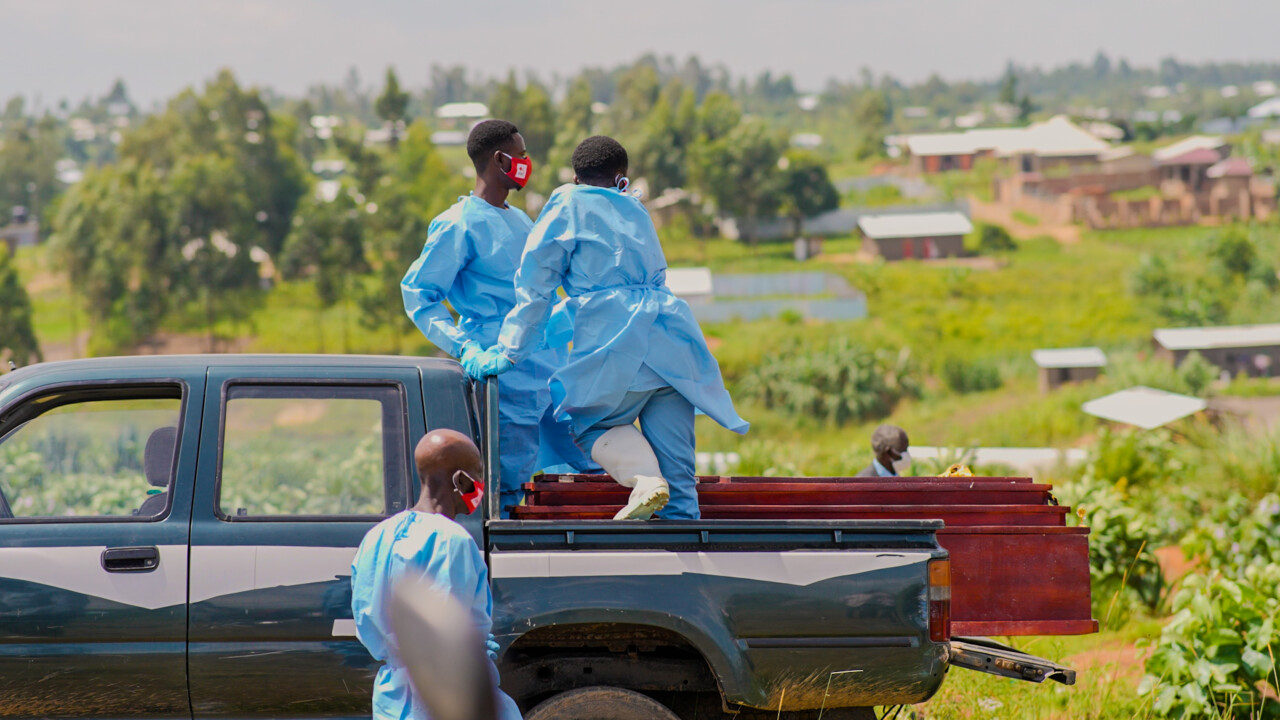
A CRRDC team has also buried two deceased persons who were suspected of having contracted Ebola. Wearing personal protective equipment and using disinfection equipment, the volunteers carried out the various steps needed to safeguard the dignity of the deceased, protect their families and reduce the risk of the disease being transmitted to the community.
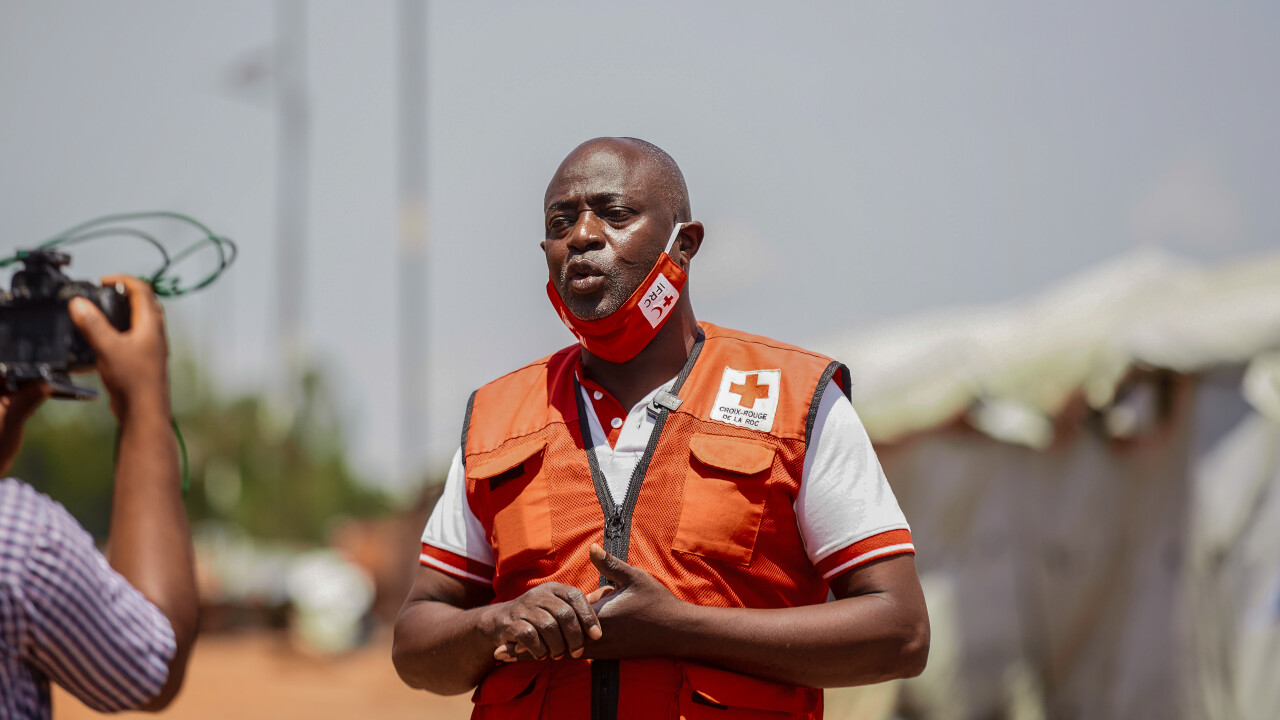
“The first thing we do is to take a sample from the deceased person in the form of an oral swab. Then we stabilize the body and place it first in a body bag, then in a coffin. The team then transports the coffin to the place of burial,” explains Raphael Olangi, head of the CRRDC’s “Dignified and Safe Burial” team.
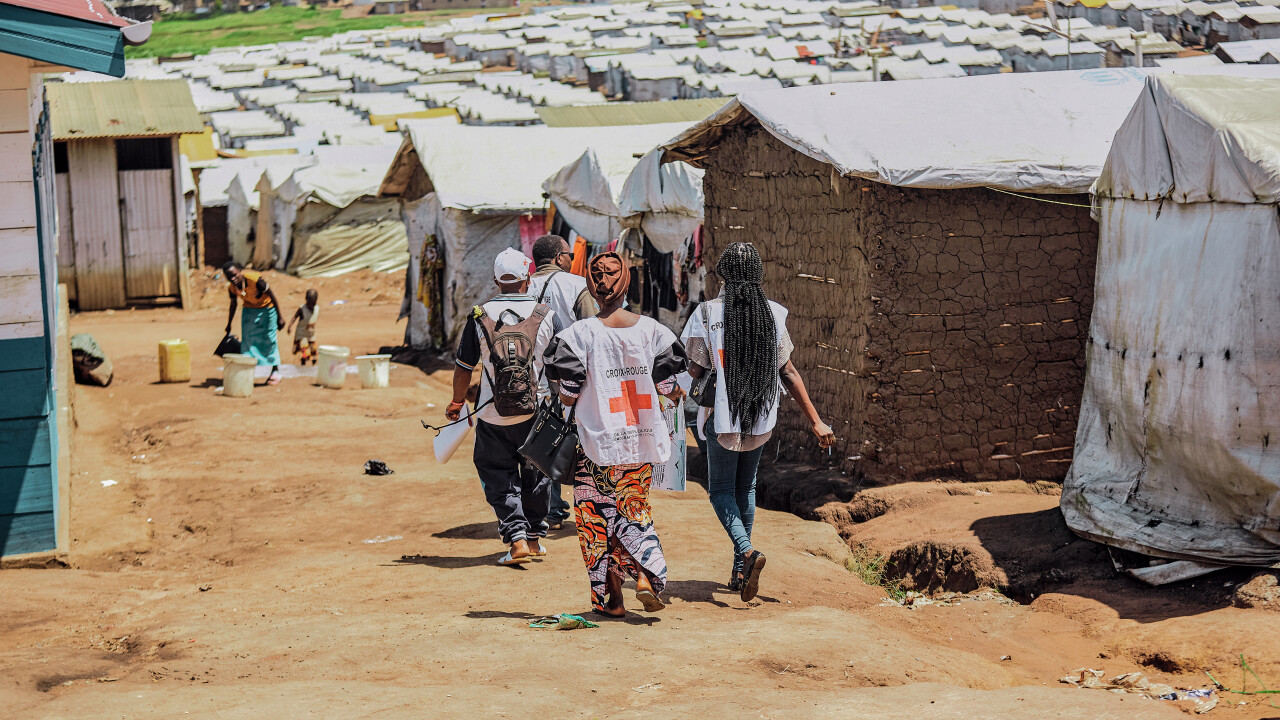
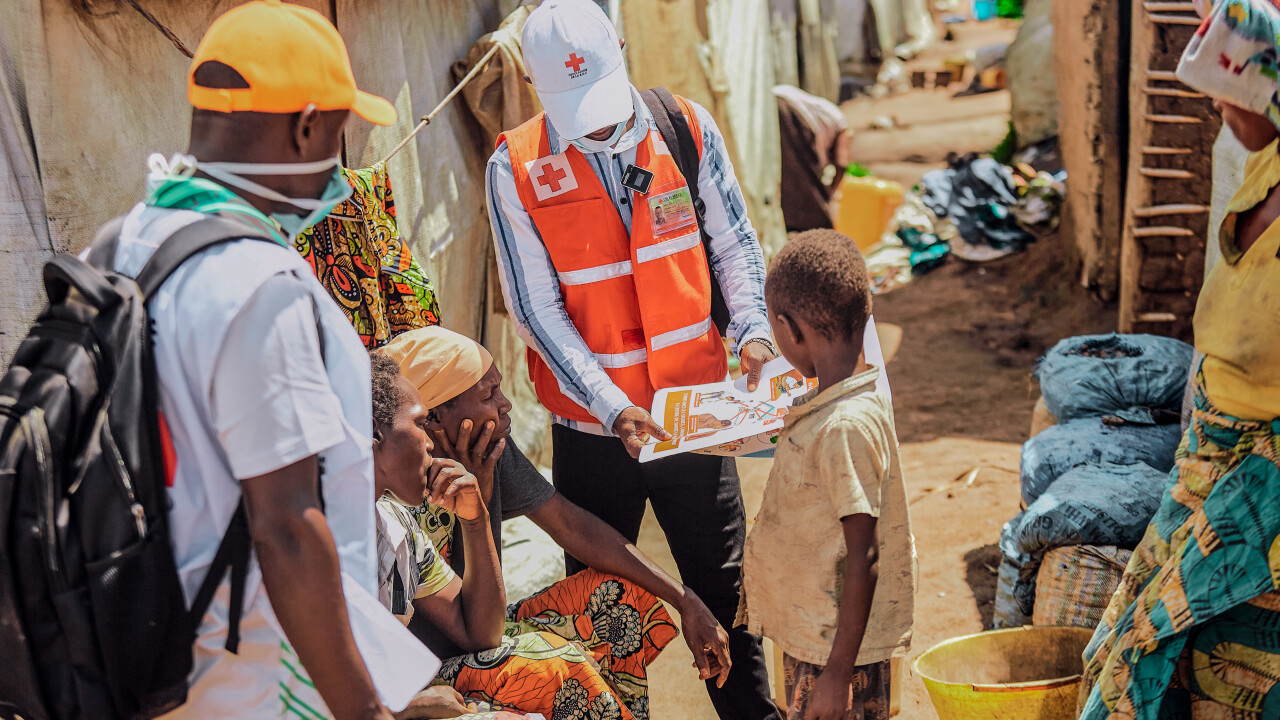
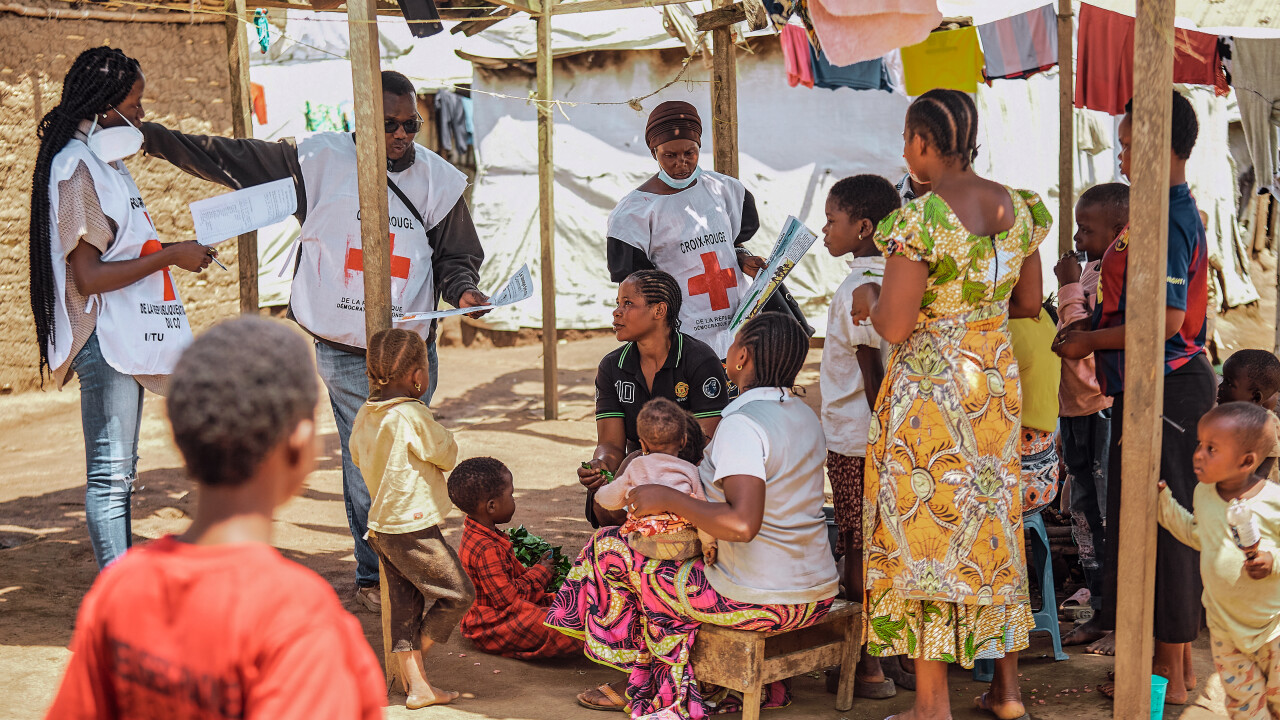
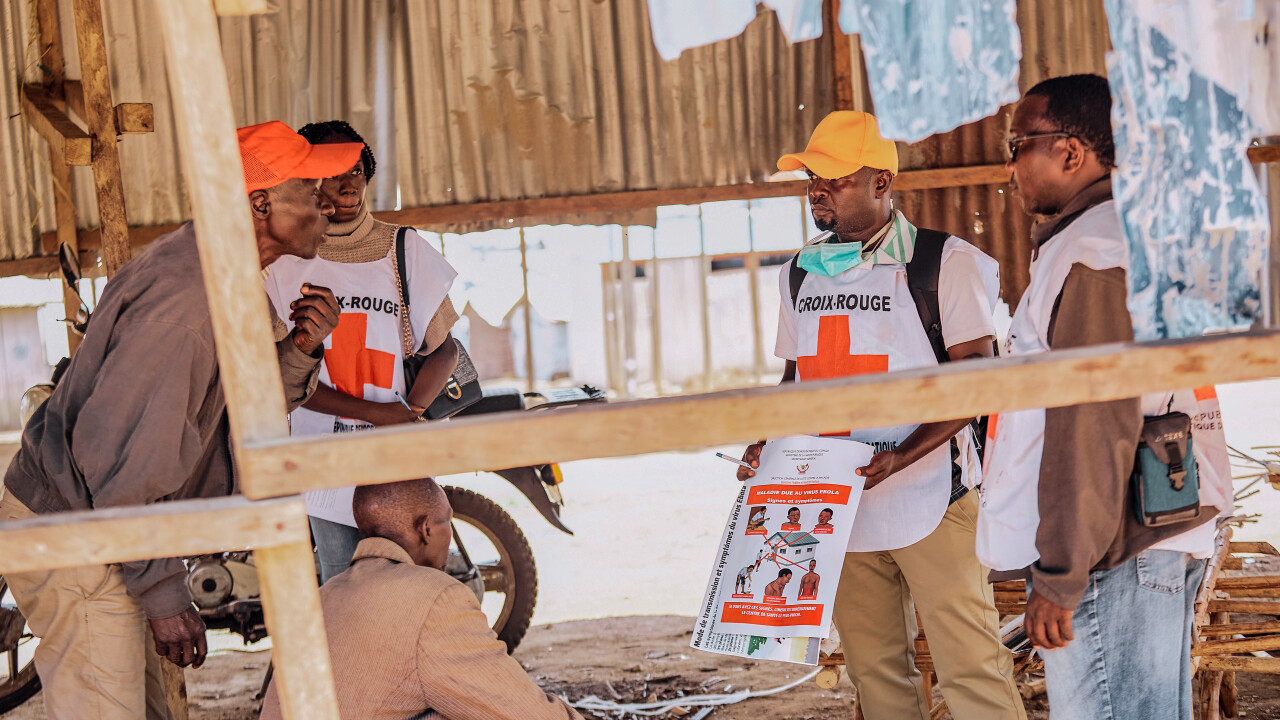
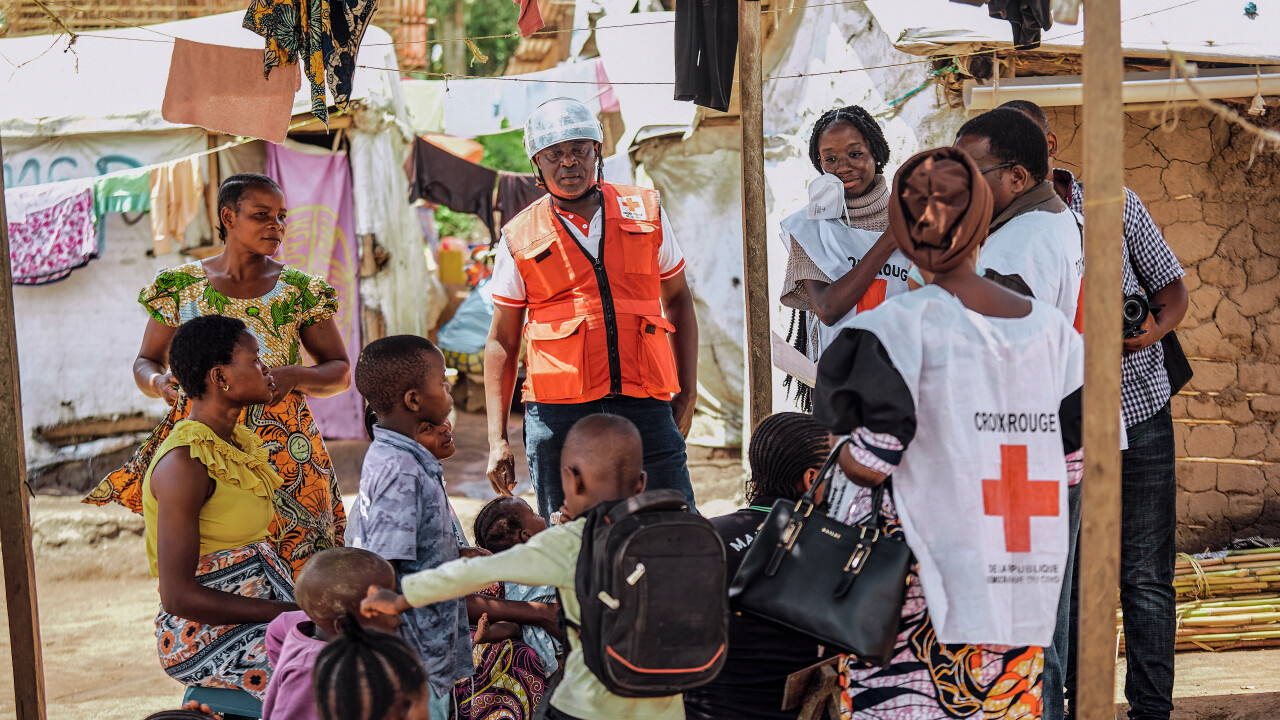
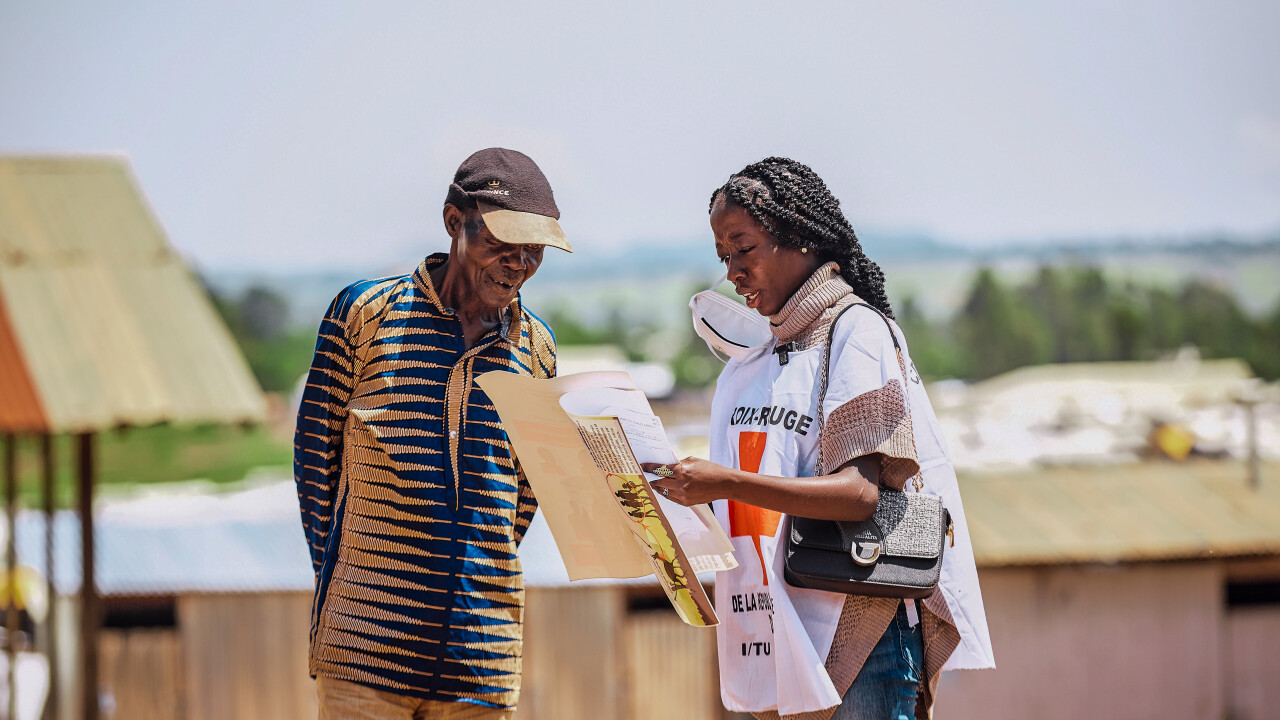
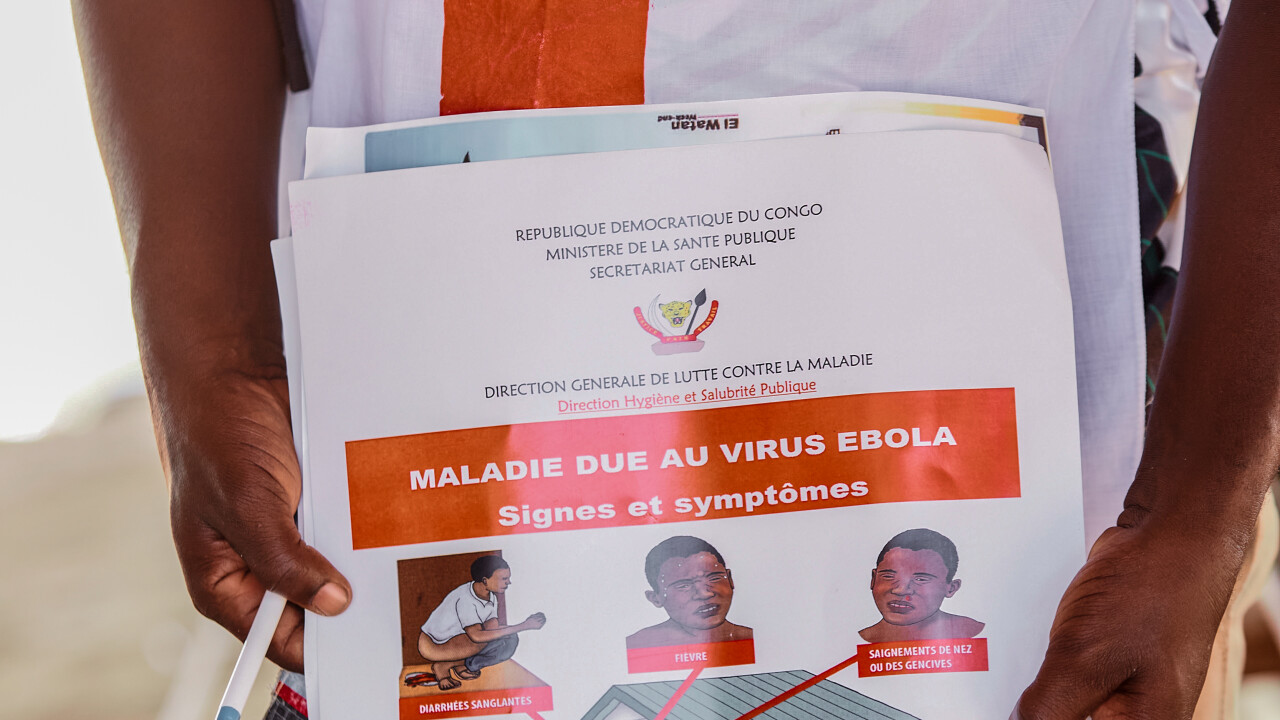
At a site for displaced persons in Kigonze, near Bunia, another team of volunteers has been running awareness-raising sessions focusing on how the Ebola virus is transmitted, the preventive measures to take and the importance of reporting suspected cases promptly. The aim is to encourage the community to support preventive measures and the response to the epidemic, in a context characterized by a lack of security, armed conflict, armed violence and population movements.
“Community communication remains the most effective weapon to stop the spread of this 17th epidemic. ... The community understands that the Red Cross is there, with volunteers trained to bury bodies correctly,” explains DRRC volunteer Delphin Chanamula. “There is good acceptance in the community, although there is some resistance from a few people because of certain beliefs. Perhaps also because of affection for the deceased person.”
During an Ebola epidemic, fear and disinformation can spread rapidly, seriously hindering efforts to respond to the disease and bring it under control. To counteract this, CRRDC volunteers have been intensifying their contact with local communities, supported by the IFRC and the ICRC. As well as holding awareness-raising sessions and conducting burials, CRRDC teams are carrying out infection prevention and control, together with psychosocial support activities.
Francine Kongolo, ICRC Kinshasa, tel: +243 81 992 23 28, email: fkongolo@icrc.org
Eléonore Asomani, ICRC Dakar, tel: +221 78 186 46 87, email: easomani@icrc.org
Length: 6:15
Location : Democratic Republic of the Congo (Ituri Province, towns of Bunia and Rwapara)
Languages: French, Swahili
Date of filming: 20–21 May 2026
Producer: Benita Atosha
Editing: Jonathan Busasi Nsalimbi
Cameraman: Jérémie Nzanzu Walaka
Copyright: ICRC access all
On-screen credit: ICRC, written or logo
00:00:00:00 – 00:00:35:04
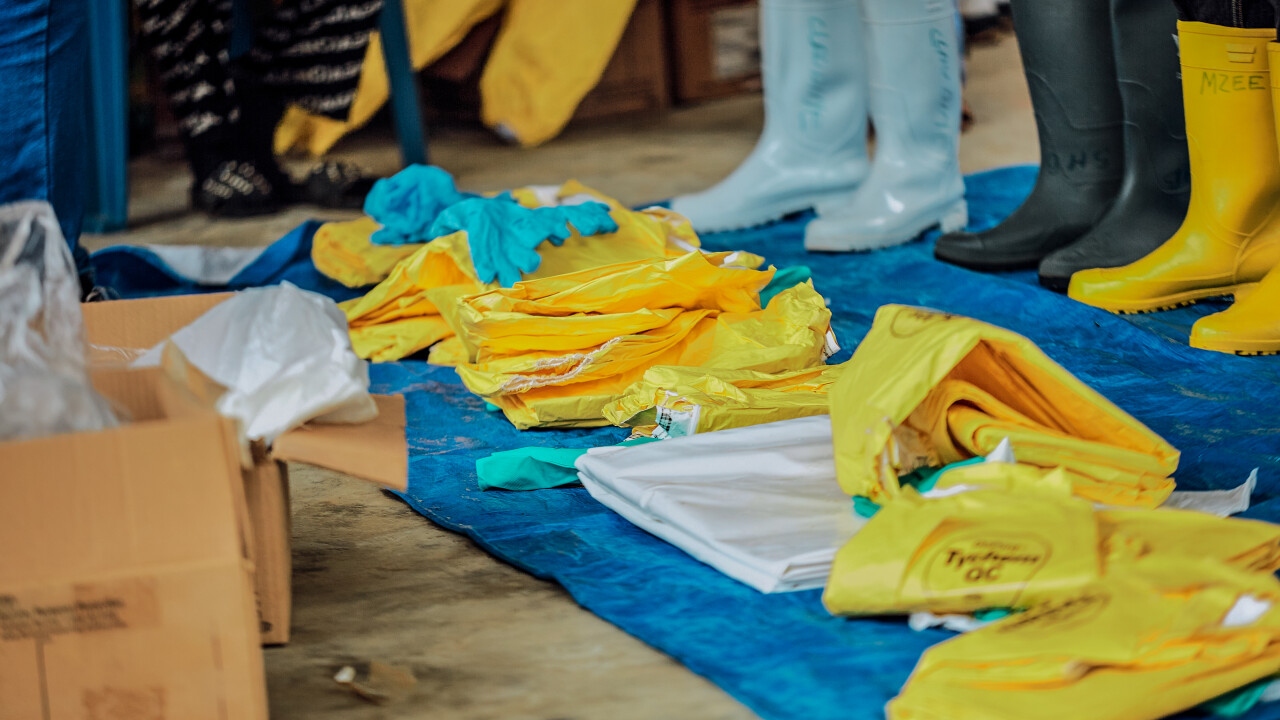
At Bunia Hospital, a team of volunteer first-aiders from the Red Cross Society of the Democratic Republic of the Congo, responsible for dignified and safe burials, prepares for a mission. They put on protective suits and other personal protective equipment before starting work.
00:00:35:05 – 00:01:15:31
The Red Cross volunteers, completely covered by their personal protective equipment, disinfect the bodies of two people suspected of having contracted Ebola.
Raphael Olangi, head of the CRRDC’s “Dignified and Safe Burial” team
00:01:15:32 – 00:01:31:24
We receive a call at our headquarters. I then head out with my entire team to where the case has been reported.
00:01:31:25 – 00:01:38:04
We start by talking to the family, to get their consent for the action that needs to be taken.
00:01:38:05 – 00:01:50:44
Then we put on our protective equipment in the “green” zone.
00:01:50:45 – 00:02:02:43
The first thing we do is to take a sample from the deceased person in the form of an oral swab.
00:02:02:44 – 00:02:14:25
Then we stabilize the body and place it first in a body bag, then in a coffin.
00:02:14:26 – 00:02:24:42
Then the team transports the body to the place of burial.
00:02:24:43 – 00:02:34:13
Transport is provided either by an undertaker hired by the family or by the Red Cross.
00:02:34:14 – 00:03:26:00
In Rwapara, the Red Cross team gives the person a dignified, safe burial. Once the operation is complete, they carry out the required disinfection procedure, focusing especially on their protective equipment – covers, suits and gloves.
Raphael Olangi, head of the CRRDC’s “Dignified and Safe Burial” team
00:03:26:01 – 00:03:37:46
We started training back in 2018, during the other Ebola epidemic, and we helped eradicate that.
00:03:37:47 – 00:03:49:31
You could say that this has led to a sort of habit of sometimes facing danger in order to stop it.
00:03:49:32 – 00:04:09:49
The message I can give to families is to protect yourself by wearing a mask, washing your hands and observing distancing.
00:04:10:00 – 00:04:13:10
The team leaves Rwapara and heads back to the office, to prepare for the next mission.
00:04:13:11 – 00:04:21:48
Kigonze displaced persons site, where Red Cross volunteers are holding sessions to raise awareness of Ebola and how to prevent it.
Delphin Chanamula, head of communication and community engagement with the Ituri provincial branch of the CRRDC
00:04:21:49 – 00:04:39:42
Community communication remains the most effective weapon to stop the spread of this 17th epidemic. So with that in mind, we headed out into the field and trained 100 volunteers for the Bunia health zone.
00:04:39:43 – 00:04:50:25
The community understands that the Red Cross is there, with volunteers trained to bury bodies correctly, in particular the bodies of people who have died of Ebola.
00:04:50:26 – 00:05:00:12
So there is good acceptance in the community, although there is some resistance from a few people because of certain beliefs. Perhaps also because of affection for the deceased person.
00:05:00:13 – 00:05:13:06
So now the Red Cross team is working to convince people, to overcome resistance, so that the community will hand the bodies over to our volunteers for dignified, safe burial.
00:05:13:07 – 00:05:44:11
At a site for displaced persons in Kigonze, Red Cross volunteers have been explaining how the Ebola virus is transmitted, the preventive measures to take and the importance of reporting suspected cases promptly.
Alphonse Likana, CRRDC communication focal point in Shari commune
00:05:44:12 – 00:06:00:26
Awareness-raising activities have been very intensive here, especially over the last few days. The team is mobilizing. We have all the first-aid volunteers here. They’re working in the various neighbourhoods.
00:06:00:27 – 00:06:15:23
We talk to people in their homes. But we also meet people in the street and explain how this disease can be passed on, and how to protect yourself.
END