Somalia: As El Niño floods loom, millions could face further hardship and hunger
Millions of people in Somalia could find themselves in the path of an impending disaster as climate experts warn that a record El Niño event is expected to strike between October and December.
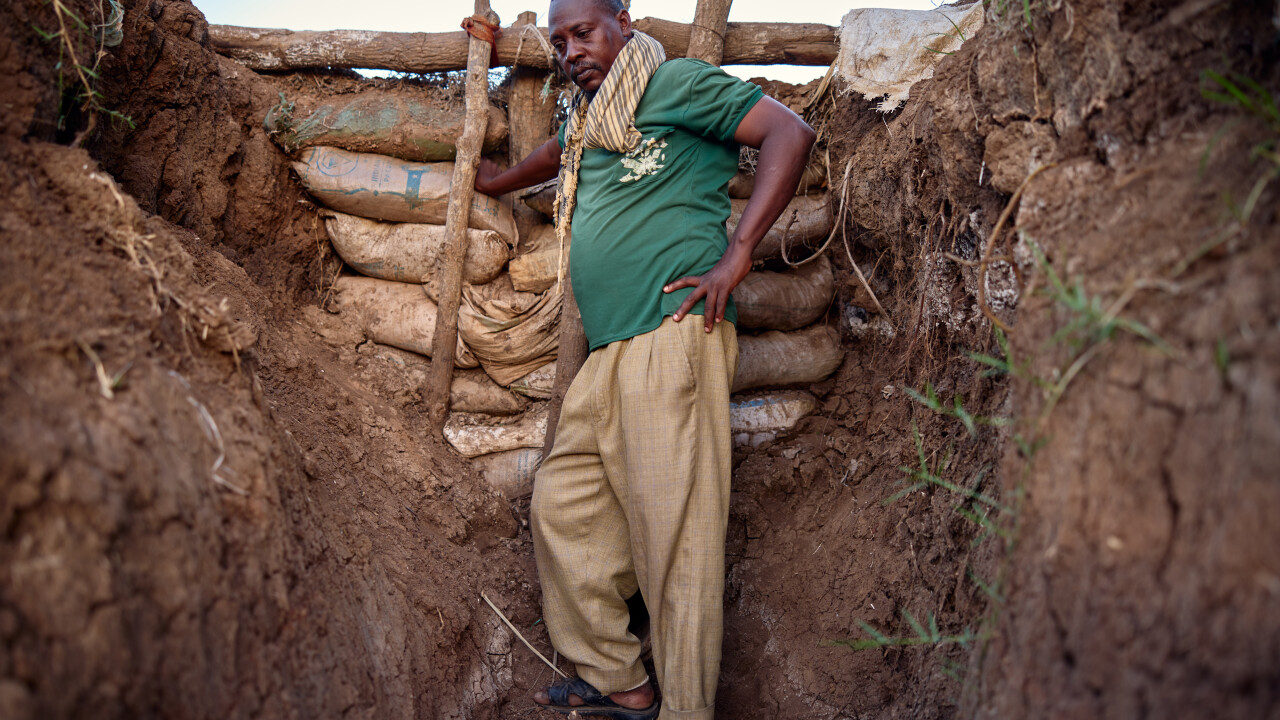
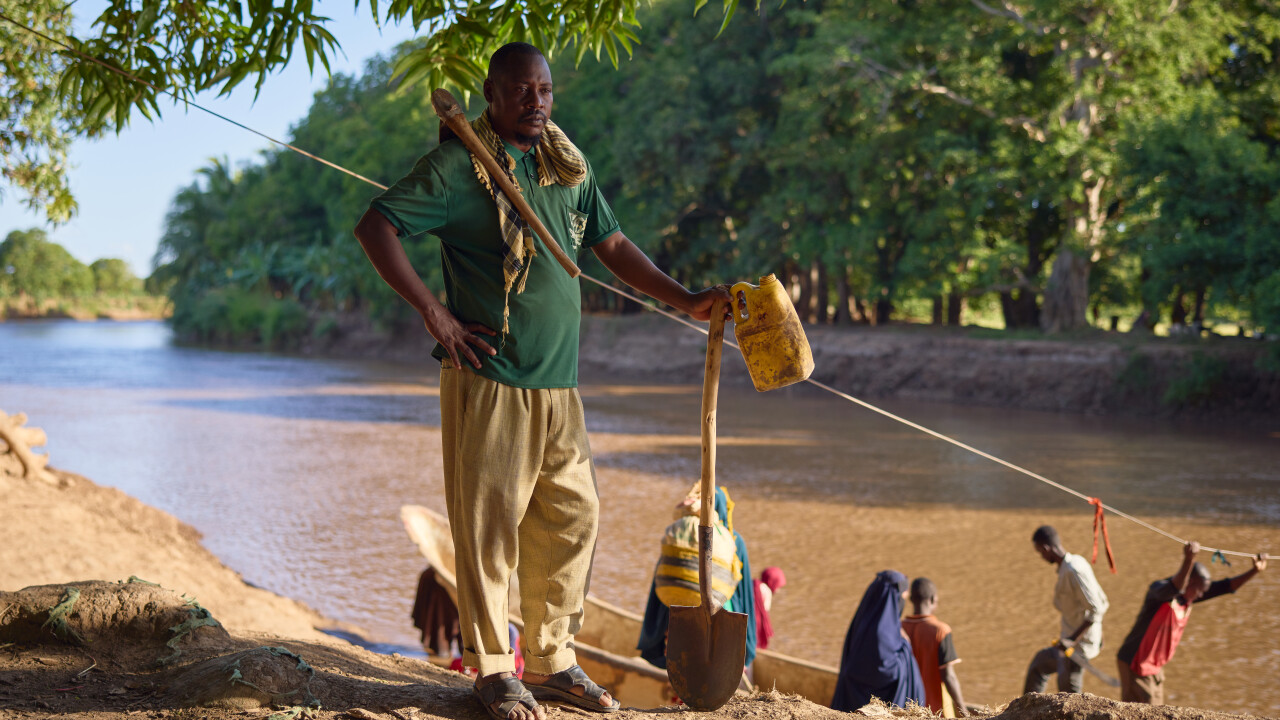
Farmers face a devastating gamble in Bayahaaw village, on the outskirts of Jowhar town in central Somalia: plant and risk losing everything to floodwaters or leave the fields bare and face hunger in the coming year.
Nuh Adan, a farmer and community leader in Bayahaaw, fears that if the riverbanks burst now, the impact on local agriculture will last for months.
“If the river breaks and the floods hit us, the effects will last until the next rainy season in March,” Adan says.
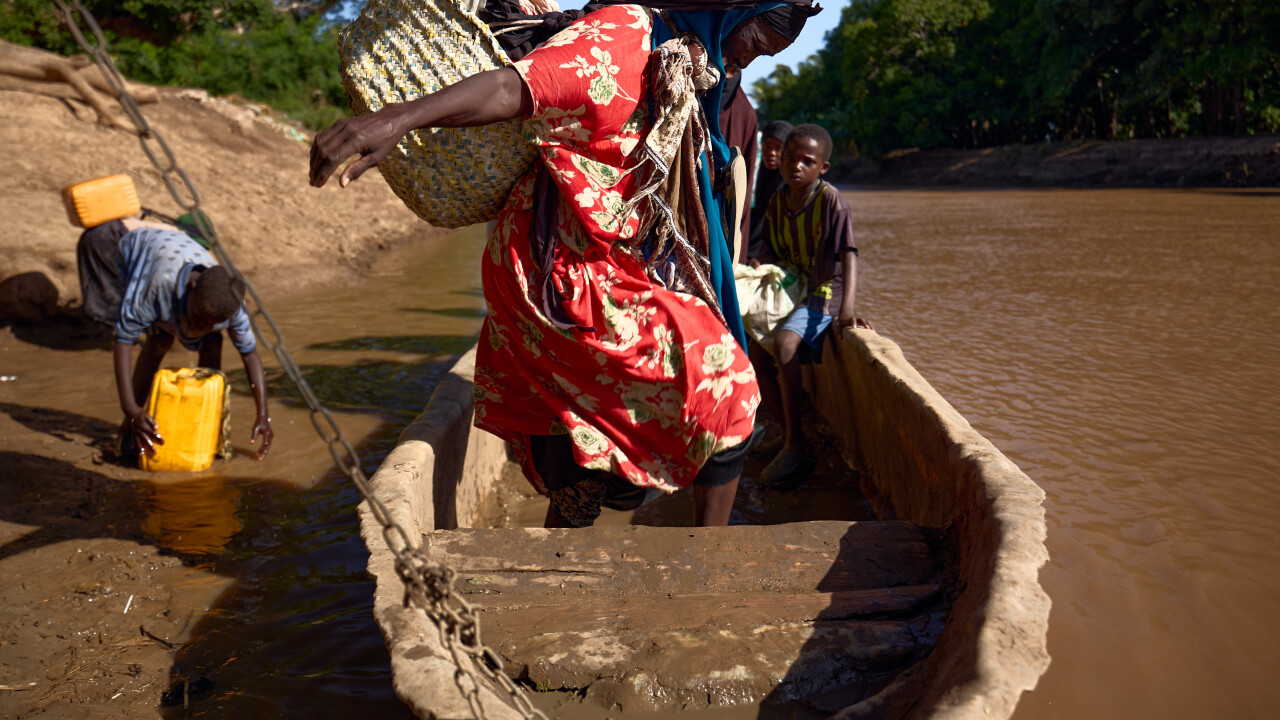
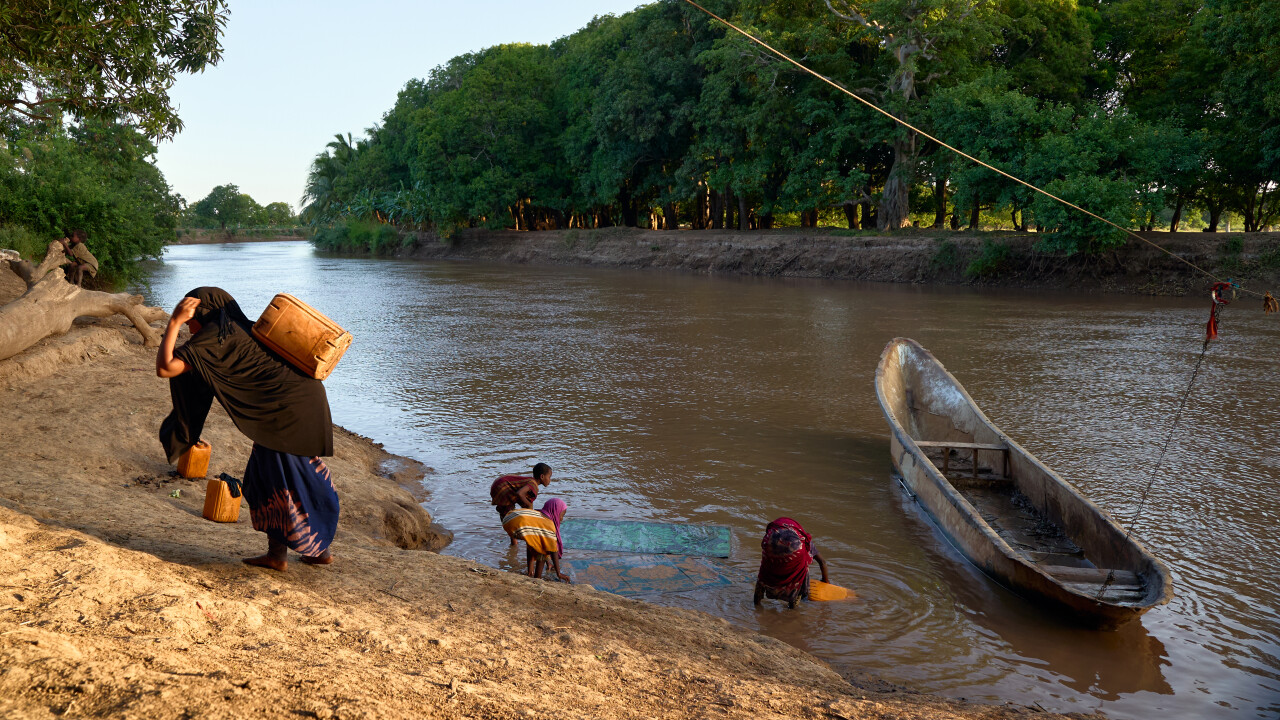
A similar phenomenon in 2023 wreaked havoc across the country, affecting close to two million people and displacing more than 500,000[1]. For communities along the Shabelle and Juba rivers, levee breaches threaten to destroy livelihoods and submerge entire villages. Yet farming families can’t delay planting.
“We have seen maize cobs that were not yet fully developed, only needing 15 to 25 days to be ready for harvest, being destroyed by floods,” says Adan. “And we just had to bear the loss. But abandoning the farms is not an option.”
According to the latest Integrated Food Security Phase Classification (IPC) analysis[2], above-normal rains and subsequent flooding are expected to deepen hunger levels across Somalia. For the 3.3 million people living in informal displacement settlements, the impending rains could mean further devastating hardship.
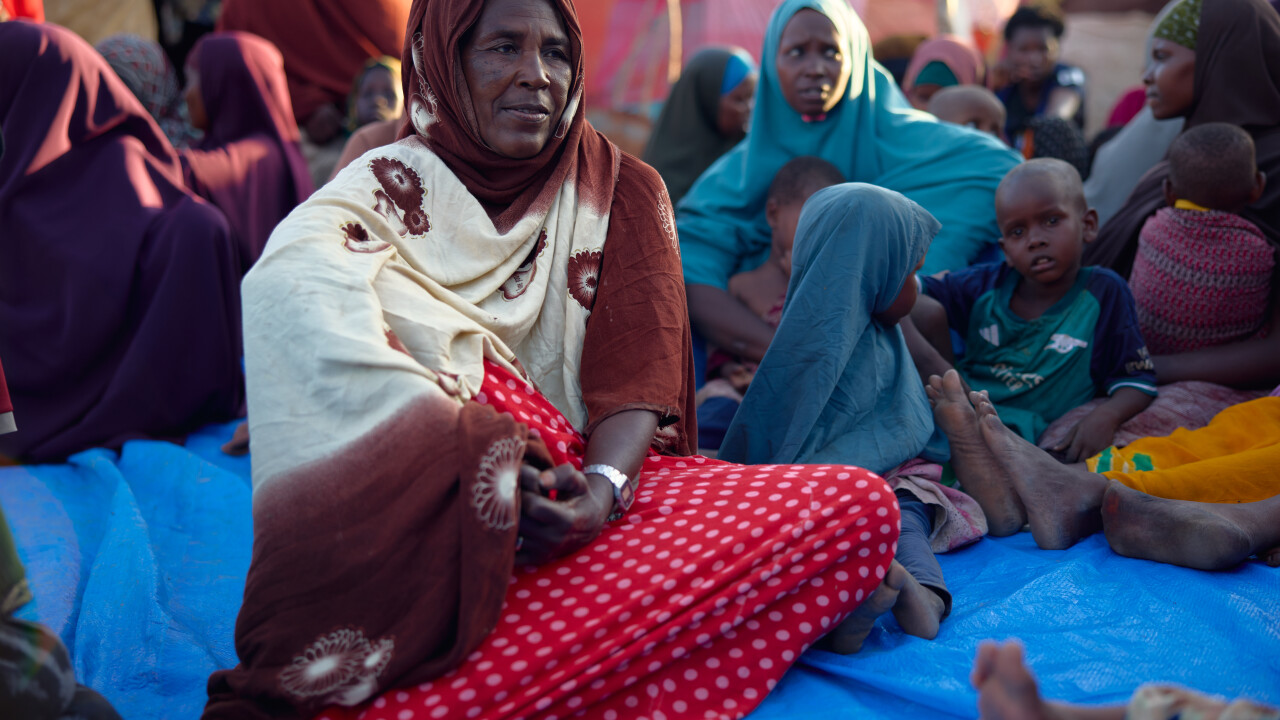
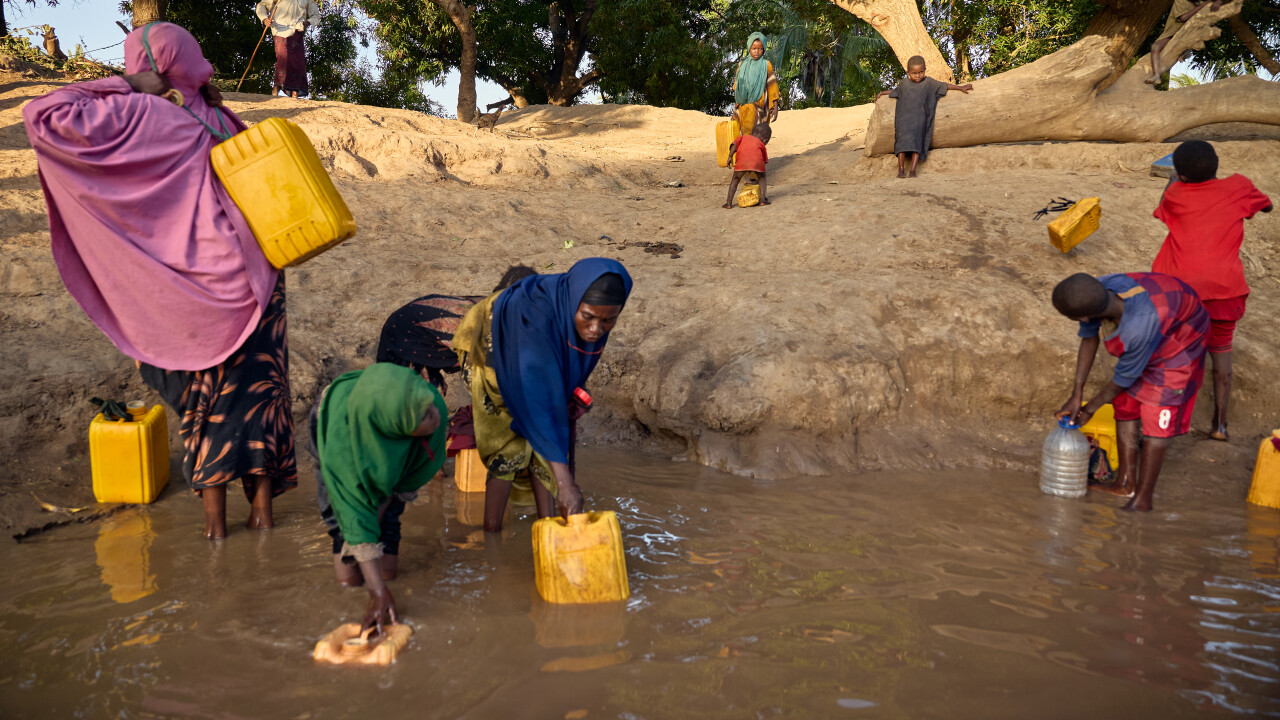
In many camps, families displaced by conflict live in cramped shelters constructed from sticks, scraps of cloth and iron sheets. Limited access to clean water and lack of proper sanitation are common.
“We are terrified of the upcoming rains,” says 59-year-old Kamillo Muse, a resident of Ceeynu Nasri displacement camp in Jowhar. “After three years of not having good rainfall, it feels like it will return with a vengeance.”
“If it pours, forget those living in displacement camps. Even people in proper houses will be forced to flee. So what do you expect will happen to us in the camps?” she adds.
Aid agencies are on high alert, rolling out anticipatory action measures and leveraging lessons learned from the 2023 disaster to mitigate damage before the floodwaters arrive. However, humanitarian operations have shrunk considerably since then due to massive cuts that have affected the sector.
“Better preparation and better data. That's the good news compared to 2023,” says Antoine Grand, head of the International Committee of the Red Cross (ICRC) in Somalia. “The bad news is that humanitarian funding and capacity in general have seriously decreased.”
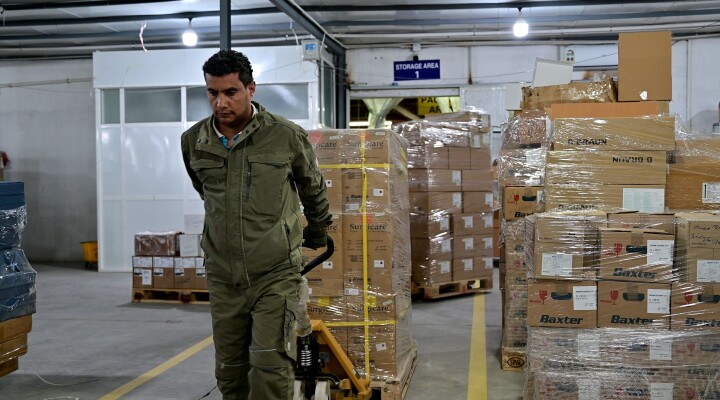
The ICRC, in partnership with the Somali Red Crescent Society (SRCS), is preparing for imminent floods by distributing sandbags, prepositioning essential supplies like tarpaulins, mosquito nets and hygiene items in flood prone areas, and stocking supported health facilities with medical and nutrition supplies to ensure they remain operational. Additionally, SRCS volunteers in Kismayo, Bardere, Jowhar and Beletweyne have received boat training to equip them with the necessary skills to respond during flood emergencies.
What is El Niño?
El Niño is a periodic climate phenomenon that begins in the equatorial Pacific and can affect weather patterns across much of the globe, leading to droughts in some regions and heavier rainfall in others. In Somalia, the event could intensify the October–December 2026 Deyr seasonal rains bringing severe flooding particularly along the Shabelle and Juba rivers.
For more information, please contact:
Abdikarim Mohamed, ICRC Somalia, tel: +254 770 171 756, mabdikarim@icrc.org
Mateo Jaramillo, ICRC Nairobi, tel: +254 716 897 265, mjaramillo@icrc.org
Length: 06:13
Location: Somalia
Date Of Filming: October 2026
Copyright: ICRC access all
On Screen Credit: ICRC written or logo
El Niño Preparedness
00:00:00 - 00:00:53
Various shots of Bayahaaw village in Jowhar, Somalai
00:00:54 – 00:01:05
Soundbite: Nuh Adan – Farmer, Bayahaaw Village, Somalia
Now we are in the rainy season and have been warned of floods. It's planting season. If the river breaks and the floods hit us, the effects will last until the next rainy season in March.
00:01:06 – 00:01:09
Shot of Nuh Adan showing one of the strengthened weak points along the Shabelle riverbank.
00:01:10 – 00:01:14
Shot of Nuh Adan with village residents and ICRC staff.
00:01:15 – 00:01:59
Soundbite: Nuh Adan – Farmer, Bayahaaw Village, Somalia
Whether the floods happen or not, we will continue to plant. There are two kinds of people: farmers and livestock herders. We are farmers. We are not herders. We are farmers who live and depend on the land. So, we believe in farming. If floods affect our farm, we will bear the loss. We have seen maize cobs that are not yet fully developed, only needing 15 to 25 days to be ready for harvest, being destroyed by floods. And we just had to bear the loss. But abandoning the farms is not an option. We survive on the farms and they are our property. If the crops fail, we will take the loss. We have no choice.
00:02:00 – 00:02:10
Shot of Ciil Tire displacement camp in Jowhar, Somalia.
00:02:11 – 00:02:22
Various shots of Kalundi riverine village in the outskirts of Jowhar, Somalia
00:02:23 – 00:02:40
Various shots of Ciil Tire displacement camp in Jowhar, Somalia.
00:02:41 – 00:03:02
Various shots of ICRC staff conducting a dissemination session in Ceeynu Nasri displacement camp in Jowhar, Somalia.
00:03:03 – 00:03:26
Soundbite: Kamillo Muse – Resident, Ceeynu Nasri IDP Camp, Jowhar, Somalia
We are terrified of the upcoming rains. After three years of not having good rainfall, it feels like it will return with a vengeance. If it pours, forget those living in displacement camps, even people in proper houses will be forced to flee. So what do you expect will happen to us in the camps?
00:03 :27 – 00:04:04
Various shots of boat training for Somali Red Crescent Society (SRCS) volunteers in the Shabelle river in Jowhar.
00:04:05 – 00:04:52
Soundbite : Antoine Grand – Head of ICRC, Somalia
This year, we are probably better prepared. We have learned lessons from the last floods, three years ago, and we also have much better data, about where the floods can take place, which riverbank will likely break, and which are the high grounds, and the low grounds, where floods may or may not affect some part of the country. Better preparation and better data. That's the good news compared to 2023. The bad news is that humanitarian funding and capacity in general have seriously decreased due to drastic reduction in humanitarian funding since 2025. So less money, less means, less capacity to prepare for such a massive and devastating floods and to respond to them.
00:04:53 – 00:05:09
Shot of an ICRC cargo flight arriving at Moxamed Dheere Airport in Jowhar.
00:05:10 – 00:05:26
Various shots of inside the ICRC cargo flight carrying medical supplies and nutritional items.
00:05:27 – 00:05:55
Various shots of an ICRC relief plane in Ugaas Khaliif Airport in Beletweyne, Somalia.
00:05:56 – 00:06:13
Various shots of medical supplies being offloaded at Moxamed Dheere Airport in Jowhar.
ENDS