Haitham's story
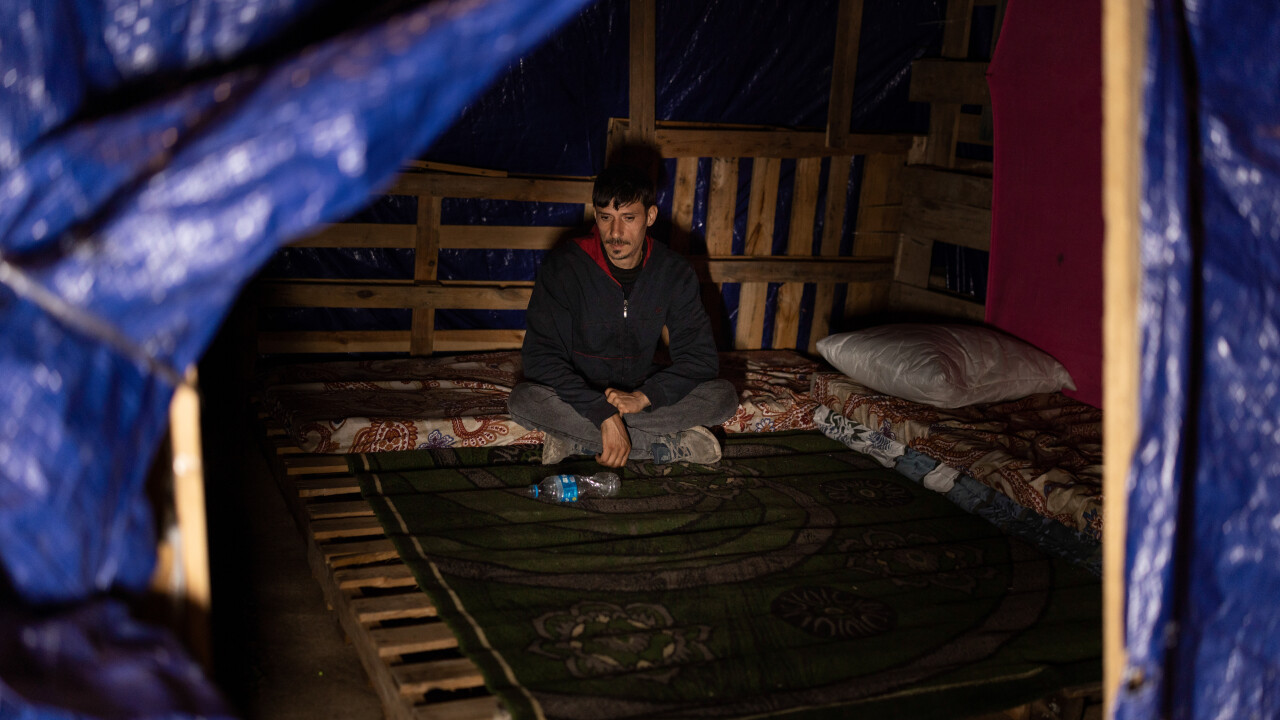
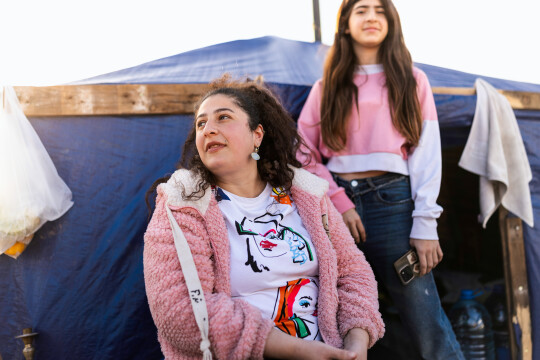
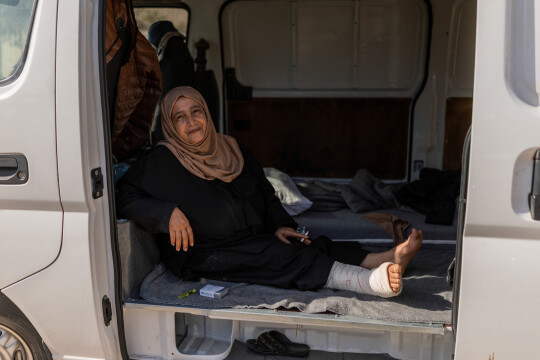
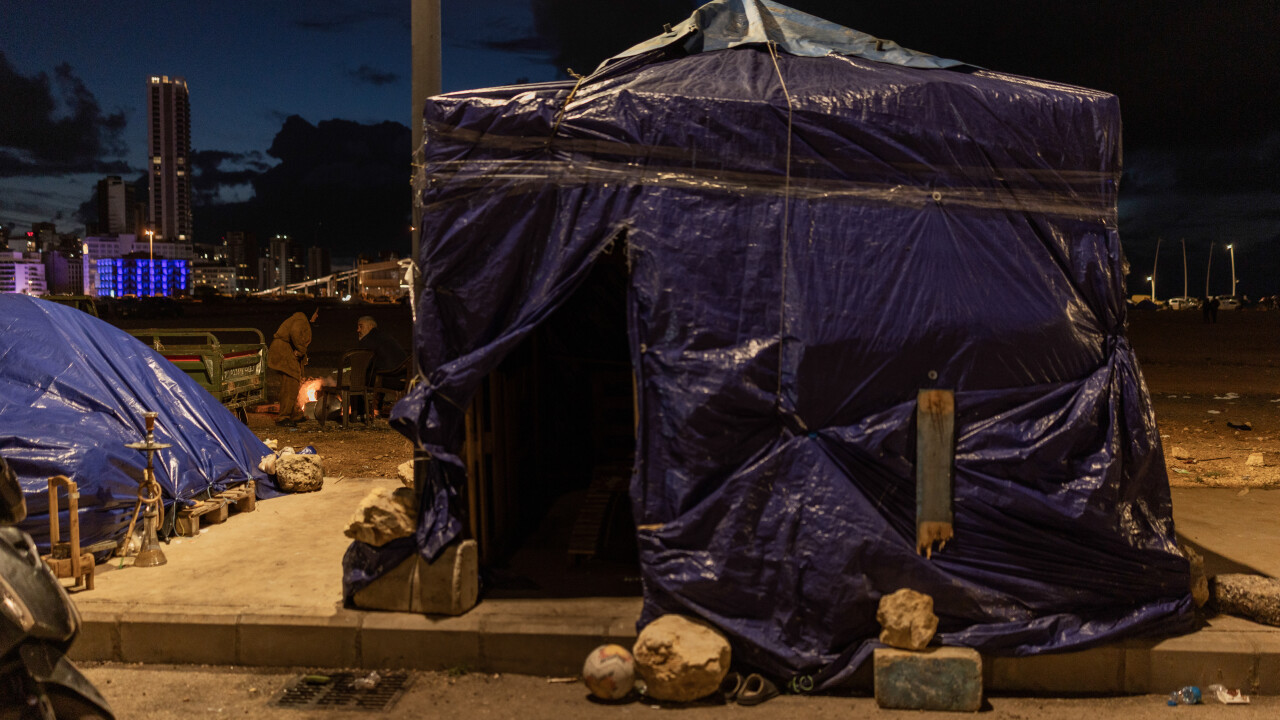
In less than a month, tens of thousands of people in Lebanon have been displaced. Many are living in makeshift shelters, in stadiums turned homes and on roadsides turned bedrooms. Haitham is one of them. Like Haitham, who is originally from Kfarkela, many have experienced displacement multiple times. Each time, they leave behind a little piece of their lives and a lot of their belongings.
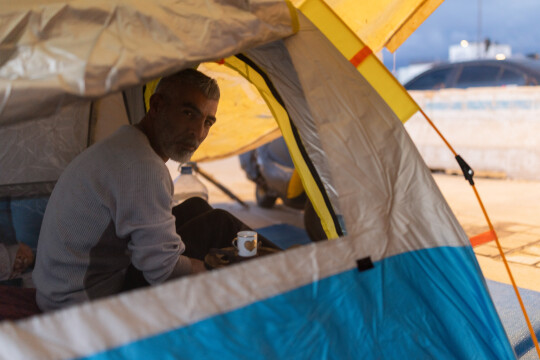
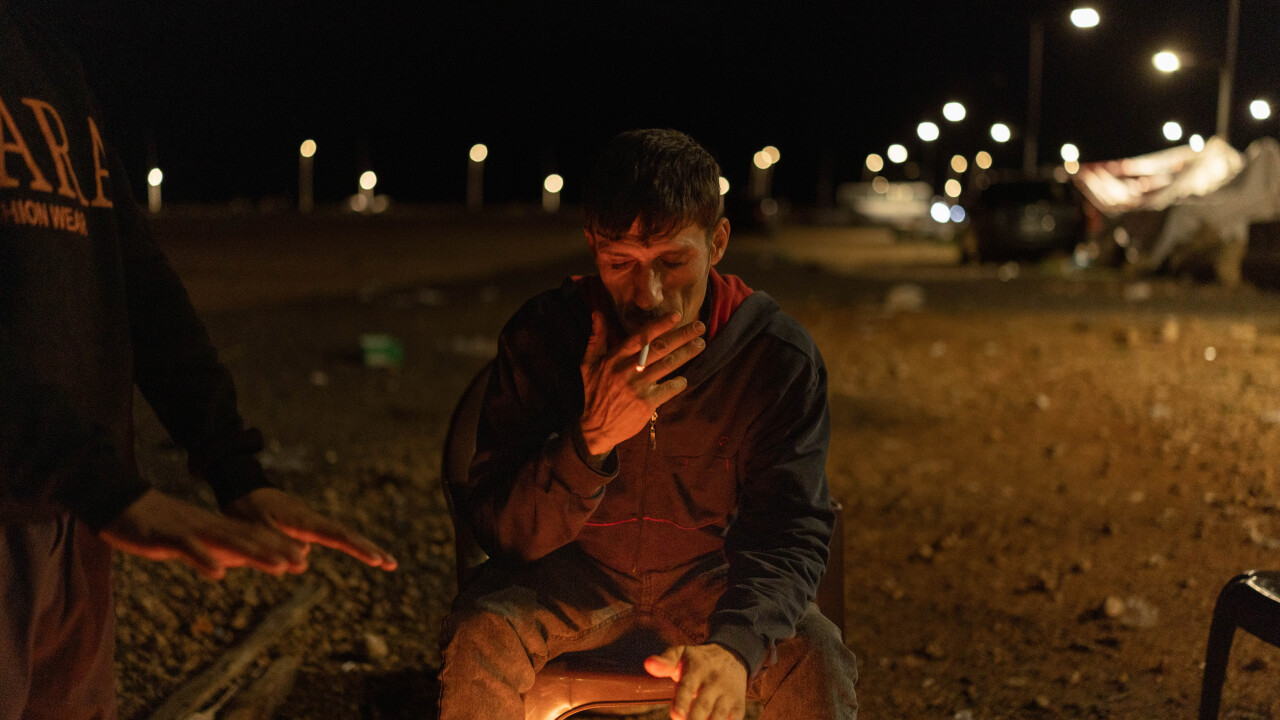
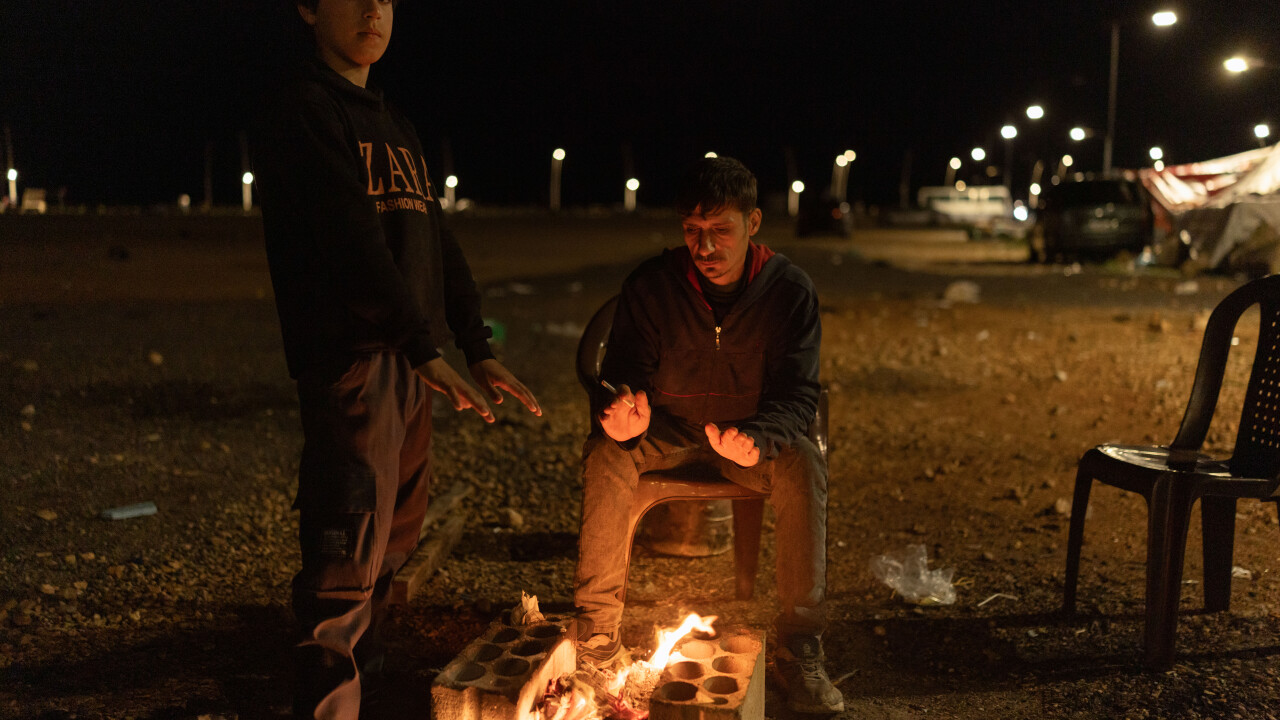
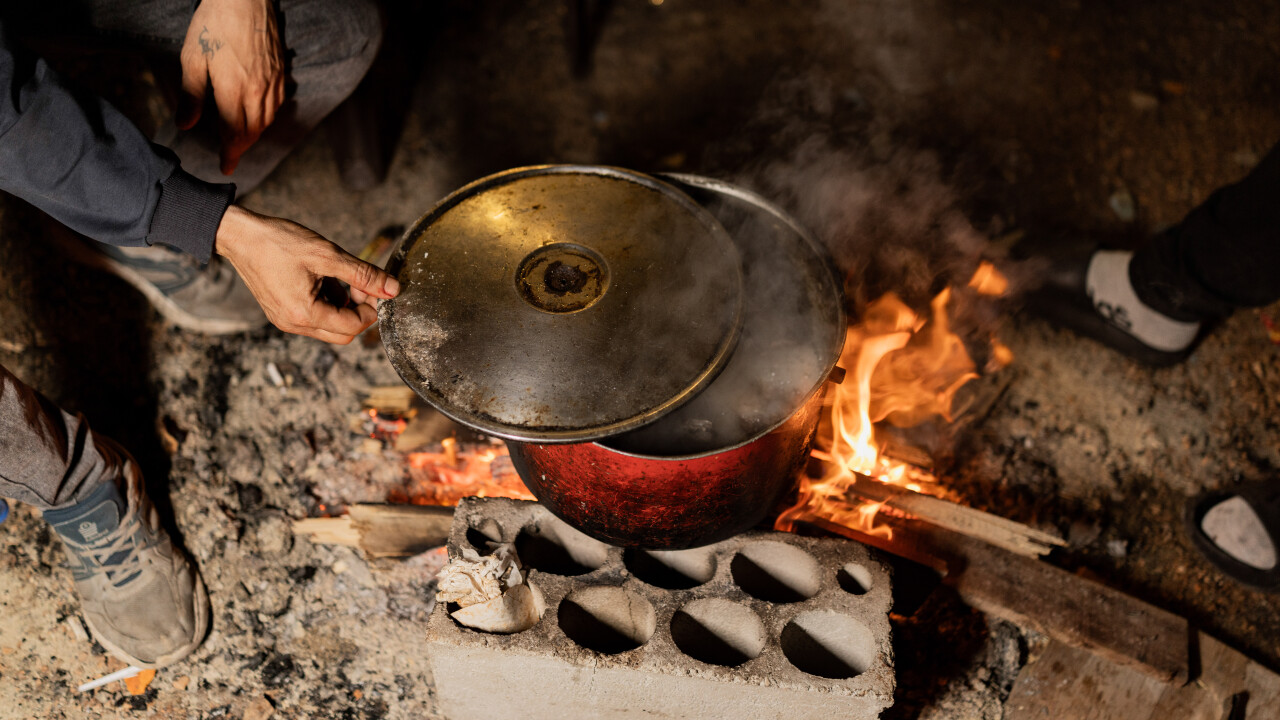
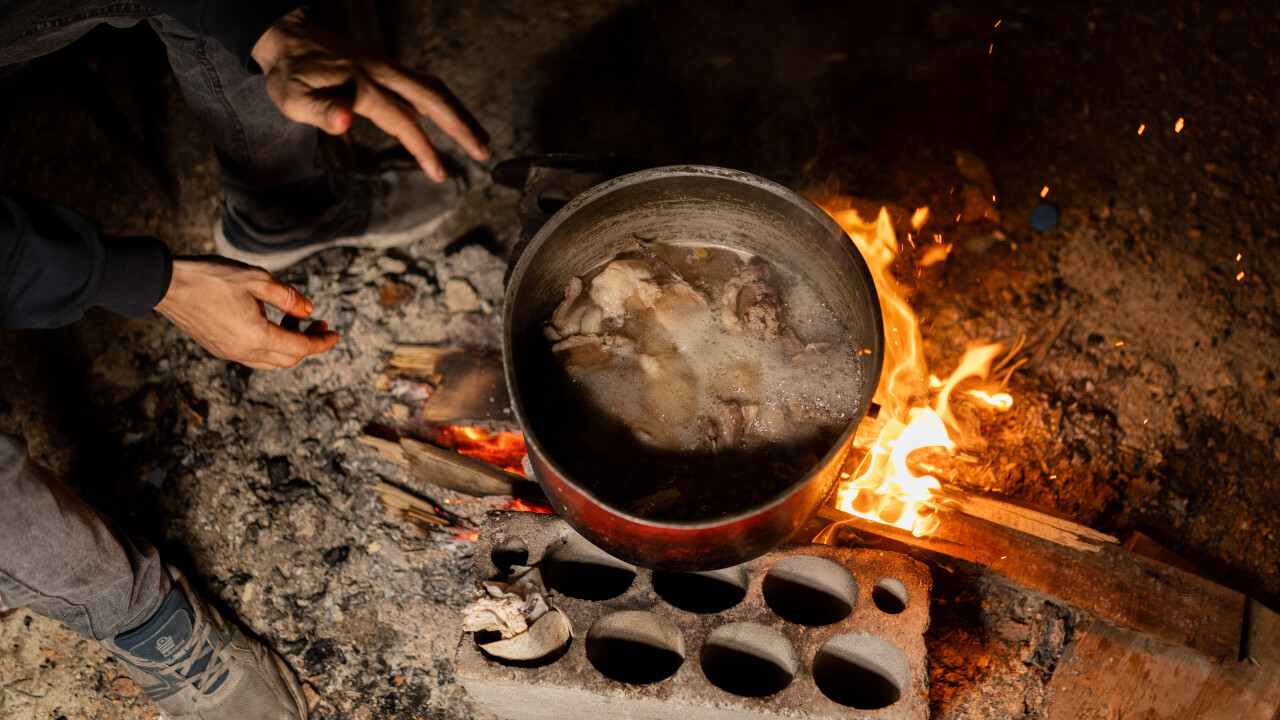
When we met Haitham, he was sitting by a fire trying to keep warm on a cold Beirut spring night.
“My name is Haitham. I was displaced from southern Lebanon in 2024.. I used to live in Kfarkela, but I’ve since moved to Dahiye”.
Kfarkela used to be a two-hour drive from Beirut, but Haitham has only made the journey once since 2024.
'We went back and found our homes gone. Every single home we knew was gone. So there’s nowhere to stay. There are no homes left. No electricity. No water.”
As conflicts repeat themselves, you can hear exhaustion in his voice.
“There’s no difference between this war and the last one. But the previous one was different because we lost our village.”
In Dahiye, Haitham, his wife, and their three children used to live in a house until one Sunday evening.
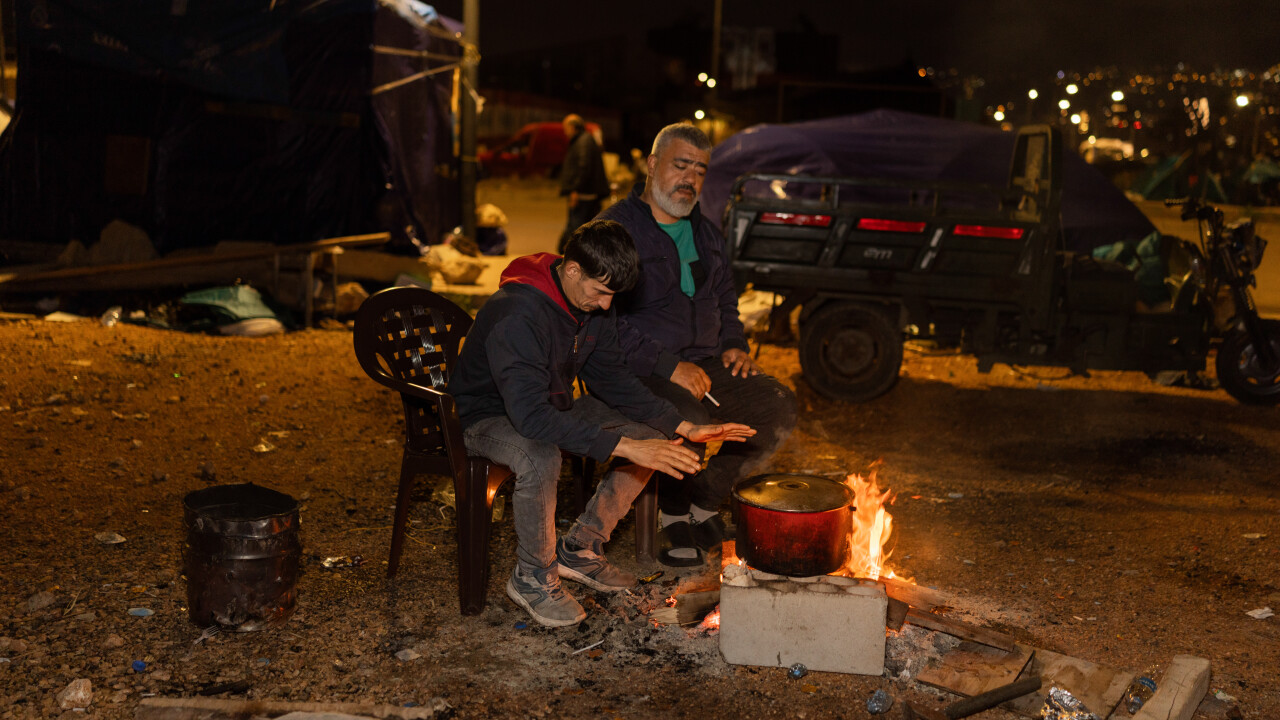
“It was 1:30 a.m. on a Sunday. We woke up to the sound of bombs. We grabbed our things and fled. I packed the children and a few of our belongings, including these two pots that I use for cooking, and fled with them. I haven’t been back home since. I don’t know what happened to the house.”
Haitham used to work as a porter, but he hasn’t been able to do so since the war started.
'Where can I find work? All the jobs are in the suburbs now. I’m not going to put myself in danger. I’m not going to work.”
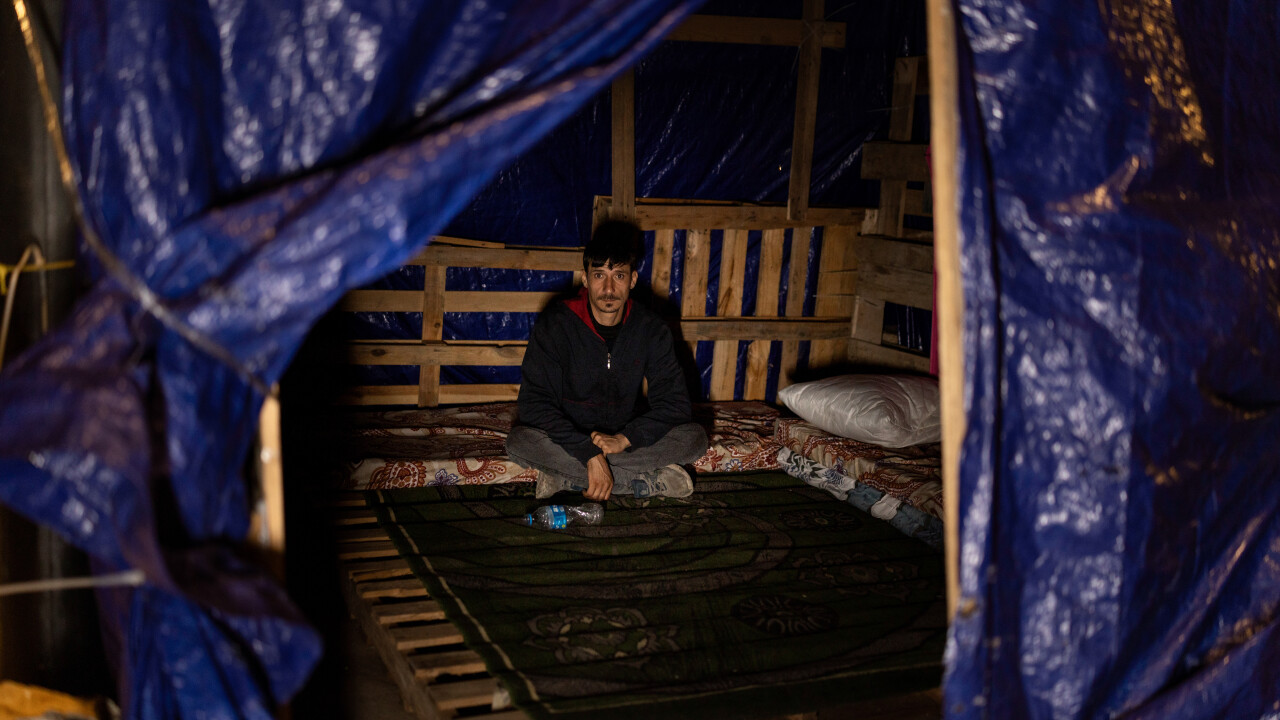
When asked about his family's needs, Haitham mentions his children's education, saying that they haven't been able to attend school properly. He then shows us the family's living conditions and how they struggle to meet their basic needs.
‘This fire isn’t keeping us warm. I mean, last time it rained, we were all wet.'
For Haitham and thousands like him, displacement is no longer a moment. It’s becoming a way of life.