Farah's Story
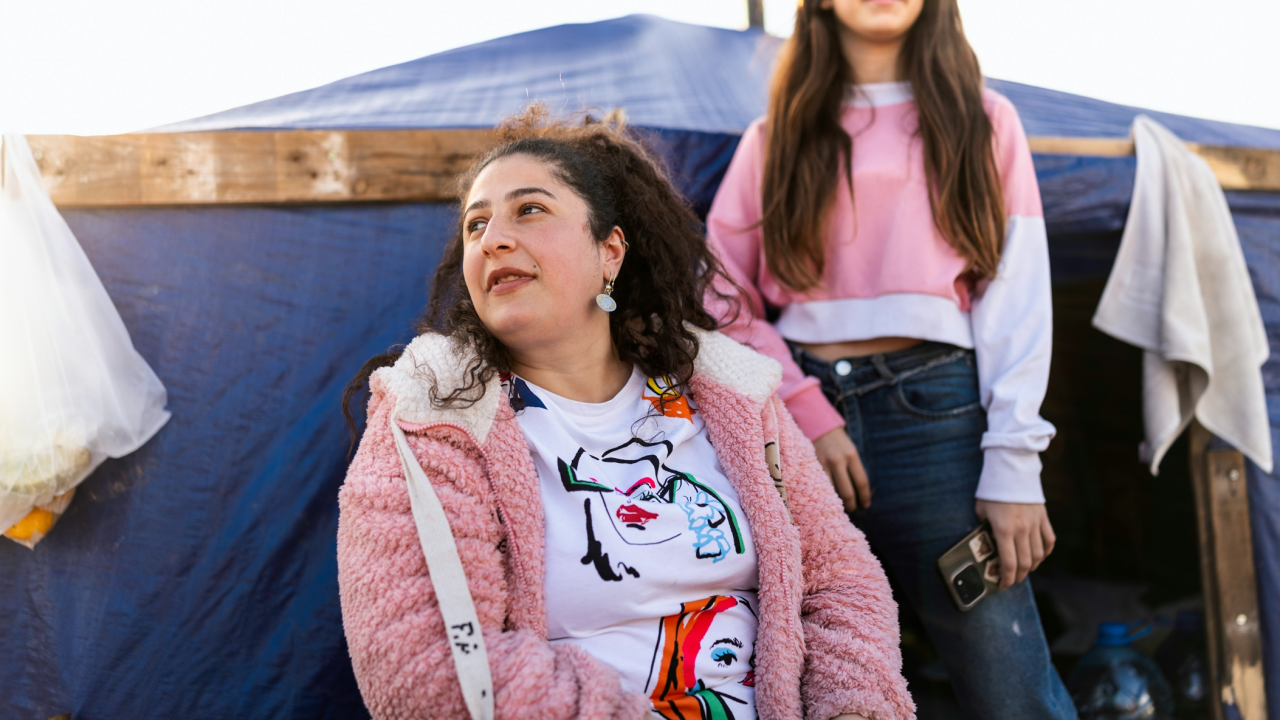
Farah was asleep when the evacuation order came.
“It was around half past five in the morning,” she says. “They told us to evacuate immediately.”
There was no time to prepare, no time to think. She left her home in southern Lebanon exactly as she was, without spare clothes, without documents, without even her identification papers.
“I didn’t take a single thing,” she says.
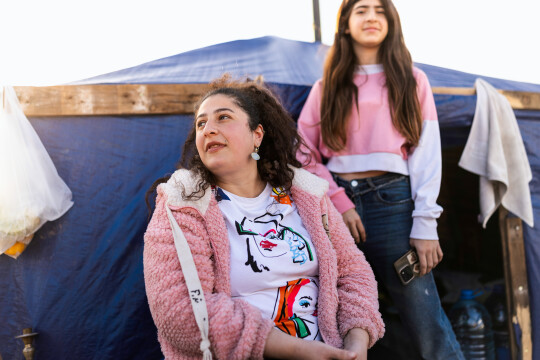
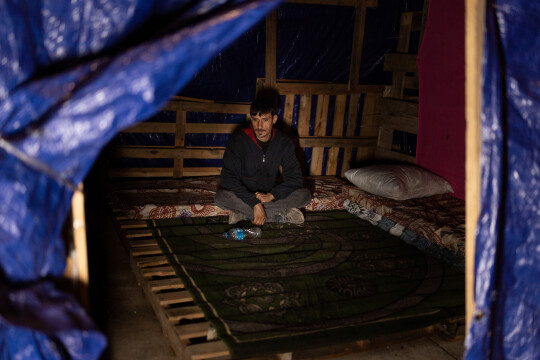
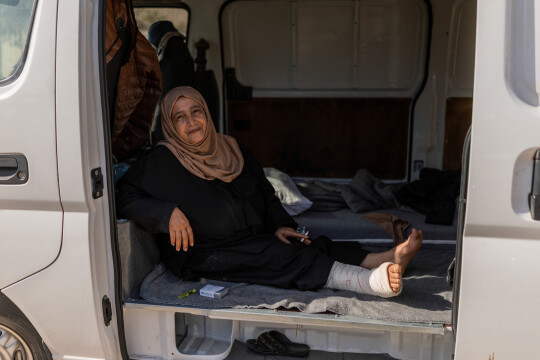
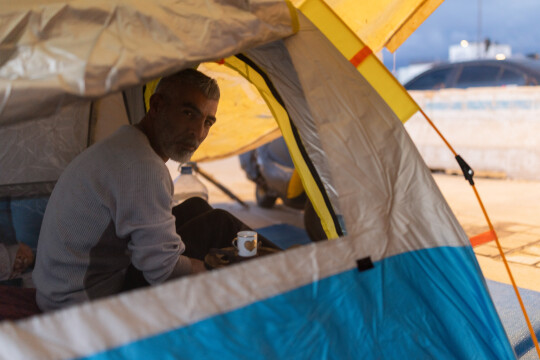
Farah fled from near Marjayoun with her family, joining the stream of people on the road. With nowhere clear to go, they moved between places before eventually finding temporary shelter with relatives.
Displacement is not new to her. She had already been forced to flee once before. This time feels no different, only harder.
“The first war forced us to leave,” she says. “Now it’s happening again.”
Her husband, who works on a farm, tries to find occasional work where he can. Farah stays with their two children, navigating daily life in uncertain conditions.
Their home remains out of reach. The area is heavily damaged, and access is limited.
“There have been so many airstrikes,” she says. “No one knows what’s left.”
Her children, 11 and 13 years old, are struggling to keep up with school. Classes have moved online, but learning is difficult surrounded by noise, instability, and stress.
“How are they supposed to study like this?” she asks.
Her son is already falling behind.
“He’s only just starting to read. He reads as if he was a six- year-old,” she says. “I’m really worried about him.”
Daily life is marked by constant compromises. Electricity is scarce, and phones are charged in the car. Basic services are far away. Even going to the toilet requires a drive.
“There’s nothing nearby,” she says.
Tensions between displaced families are rising too, as overcrowding and hardship take their toll.
“Everyone is keeping distances,” she explains. “It’s more peaceful that way.”
What she misses most is not just her house, but the life it held.
“I miss my home so much,” she says. “I miss my things. I miss my freedom.”